





Description
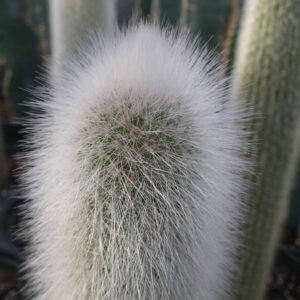
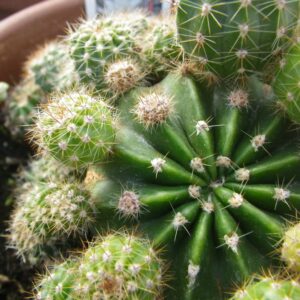
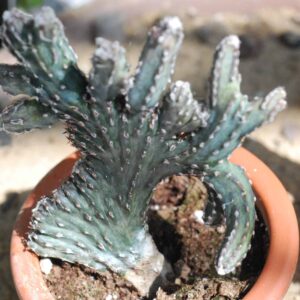
Opuntia imbricata, also known as the Cane Cholla or Creeping Prickly Pear, is a cactus species from the Cactaceae family. Native to the arid regions of Mexico and the southwestern United States, this plant is well adapted to desert environments. It is recognized for its flat, overlapping stem segments and its bright, colorful flowers.
Here are some care tips to keep it thriving:
Light
Opuntia imbricata prefers bright, direct sunlight. Indoors, place it near a sunny window where it can receive several hours of direct light each day. Outdoors, it thrives in full sun or in a location with strong light exposure.
Watering
Water moderately during the growing season (spring and summer), allowing the soil to dry out completely between waterings. In fall and winter, reduce watering significantly, only watering when the soil is fully dry. Avoid overwatering, as this can lead to root rot.
Soil
Use a well-draining soil mix, such as one made for cacti and succulents. You can add coarse sand or perlite to improve drainage and prevent water retention. Proper drainage is essential for the plant’s health.
Temperature
Opuntia imbricata prefers temperatures between 18°C and 30°C (65°F–86°F) during the growing season. It can tolerate cooler conditions, but protect it from frost and temperatures below 5°C (41°F). In winter, make sure it’s kept away from cold drafts.
Humidity
This plant prefers a dry environment. Avoid high humidity, which can promote fungal diseases. Dry air is usually well tolerated.
Fertilization
Fertilize lightly during the growing season (spring and summer) using a specialized cactus fertilizer about once a month. Avoid fertilizing in fall and winter when the plant is dormant.
Pruning and Repotting
Prune off dead or damaged segments to maintain a tidy appearance. Repot every 2–3 years or when the plant outgrows its pot, using a slightly larger container with well-draining soil.
Precautions
Do not overwater Opuntia imbricata. Too much moisture can cause root and stem rot. Ensure the pot has drainage holes and allow the soil to dry completely between waterings. Watch for fungal issues caused by excess humidity. Mealybugs and spider mites can also attack this cactus — treat infestations with appropriate insecticides or natural remedies.