






Description
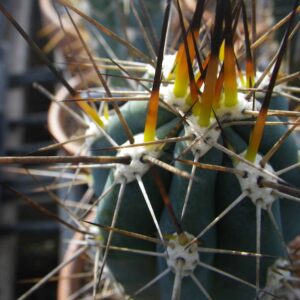
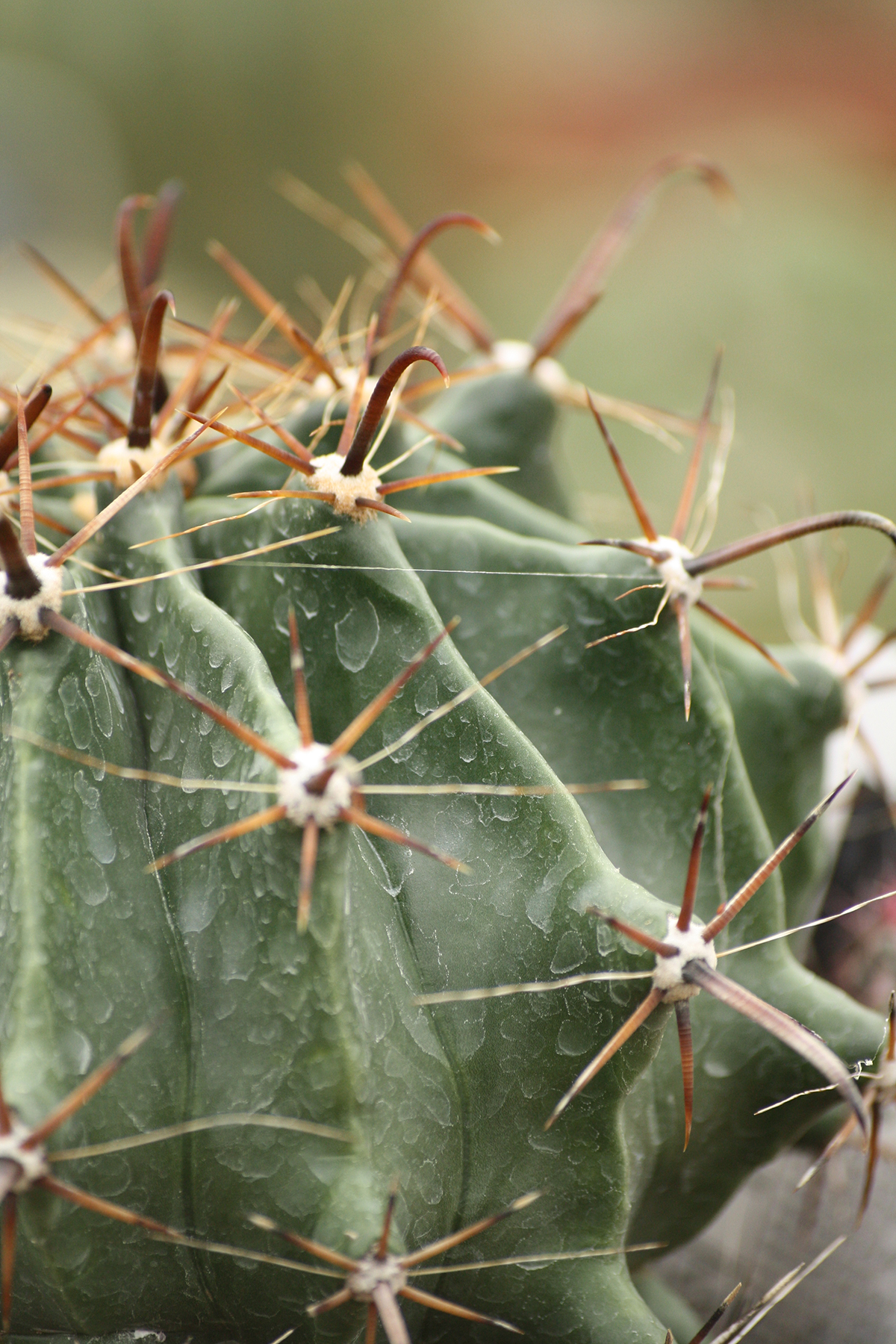
Ferocactus is a genus of cacti native to the arid and semi-arid regions of the southwestern United States and Mexico. It is especially common in the Sonoran and Chihuahuan deserts. The name “Ferocactus” means “fierce cactus,” referring to the long, strong spines that cover its stems. These cacti are perfectly adapted to the extreme heat and drought conditions of their natural habitat.
Here are some care tips:
Light
Ferocactus prefers full sun exposure. Make sure it receives at least 6 to 8 hours of direct sunlight per day for optimal growth.
Watering
Like most cacti, Ferocactus requires very little water. Water moderately during the growing season (spring and summer), allowing the soil to dry out completely between waterings. In autumn and winter, reduce watering significantly or stop altogether.
Soil
Use a well-draining soil mix, ideally one formulated for cacti. Good drainage is essential to prevent root rot.
Temperature
Ferocactus tolerates hot temperatures well and can withstand heat up to 50°C (122°F). In winter, it can survive near-freezing conditions but should ideally be kept above 5°C (41°F).
Humidity
This cactus prefers a dry environment. Avoid excessive humidity, which can lead to fungal diseases.
Fertilization
Fertilize lightly once a month during the growing season with a cactus-specific fertilizer. Avoid fertilizing in autumn and winter.
Pruning and Repotting
Repot Ferocactus every two to three years in spring. Prune only to remove dead or damaged parts.
Precautions
Avoid overwatering Ferocactus, as excess moisture is one of the leading causes of root rot. Ensure the pot has good drainage and that the soil dries completely between waterings. Watch for signs of fungal infections, especially in high humidity. Mealybugs and aphids can also attack Ferocactus—treat infestations with suitable insecticides or natural remedies.