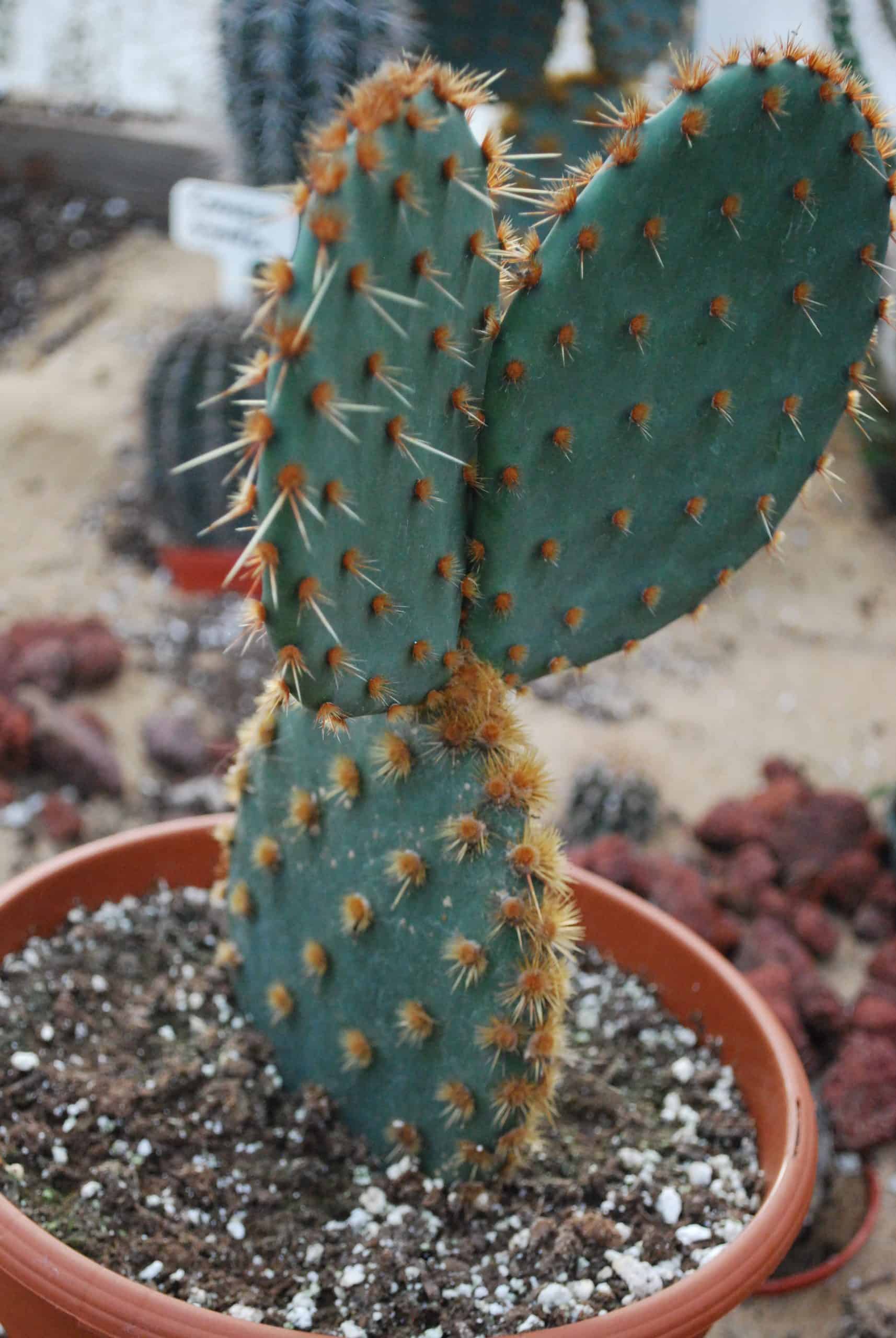







Description
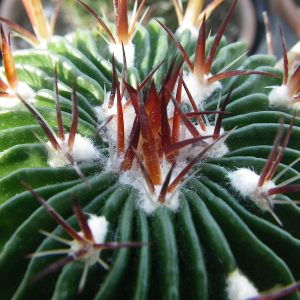
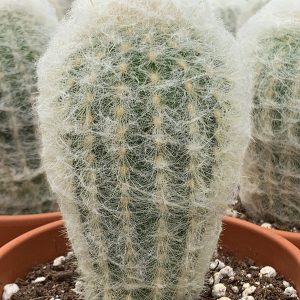
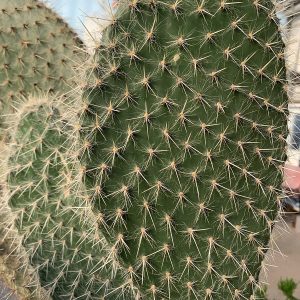
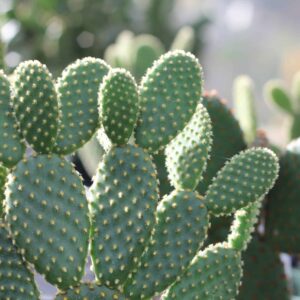
Opuntia aciculata, also known as the Chenille Prickly Pear, is a cactus species native to the southwestern United States and northwestern Mexico. It is notable for its flat, oval pads and striking appearance.
Here are some care tips to keep your Opuntia aciculata healthy:
Light
Opuntia aciculata prefers a sunny to very sunny exposure. Place it where it can receive at least 6 to 8 hours of direct sunlight per day. A south- or southwest-facing window is ideal. It can tolerate partial shade, but this may affect its growth and flowering.
Watering
This cactus is highly drought-tolerant. Water moderately during the growing season (spring and summer), allowing the soil to dry out completely between waterings. In winter, reduce watering to allow the plant to rest. Avoid overwatering, as this can cause root rot.
Humidity
This cactus prefers dry environments and does not require high humidity. Ensure good air circulation around the plant to prevent mold or fungal issues.
Temperature
This cactus tolerates hot temperatures very well and can withstand intense summer heat. It is also relatively cold-hardy, tolerating temperatures down to -10°C (14°F), though it is best to protect it from severe frost.
Soil
Use a well-draining cactus and succulent mix, or make your own by adding coarse sand or perlite to standard potting soil. Make sure the pot has drainage holes to prevent water buildup.
Fertilization
Feed your Opuntia aciculata lightly with a balanced cactus fertilizer once a month during spring and summer. Avoid fertilizing in autumn and winter when the plant is dormant. Over-fertilizing can harm the plant.
Pruning
Opuntia aciculata usually does not require pruning. If necessary, carefully remove damaged pads with clean, disinfected tools to maintain a healthy appearance.
Common Problems
Watch for signs of root rot, usually caused by overwatering. Mealybugs and aphids can occasionally appear; treat infestations promptly with a suitable insecticide or mild soapy water.