




Description
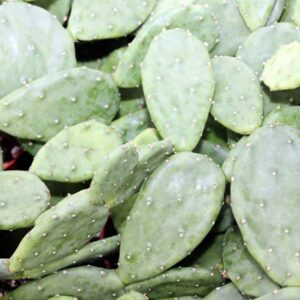
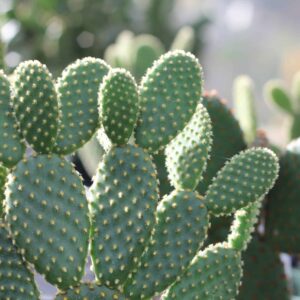
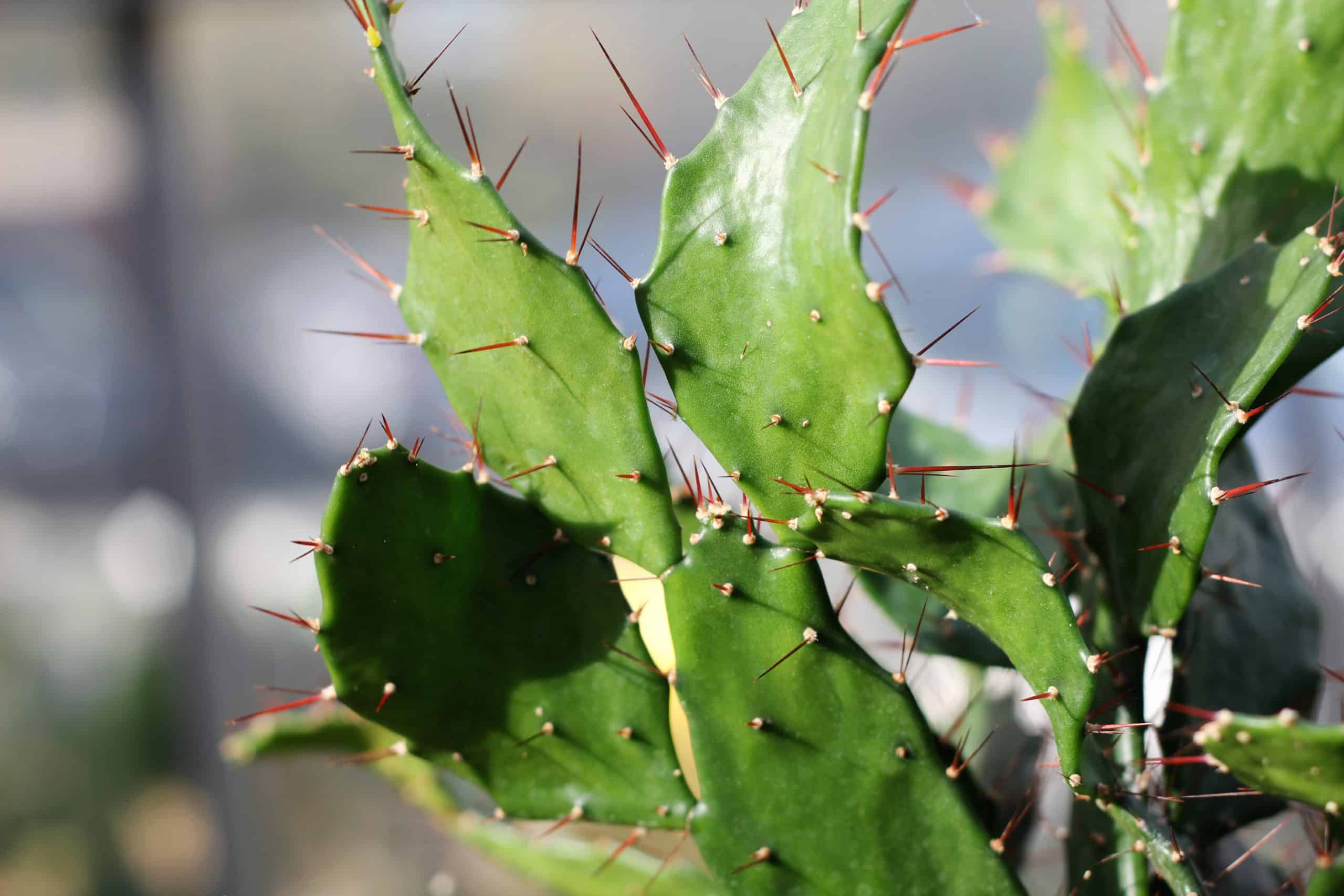
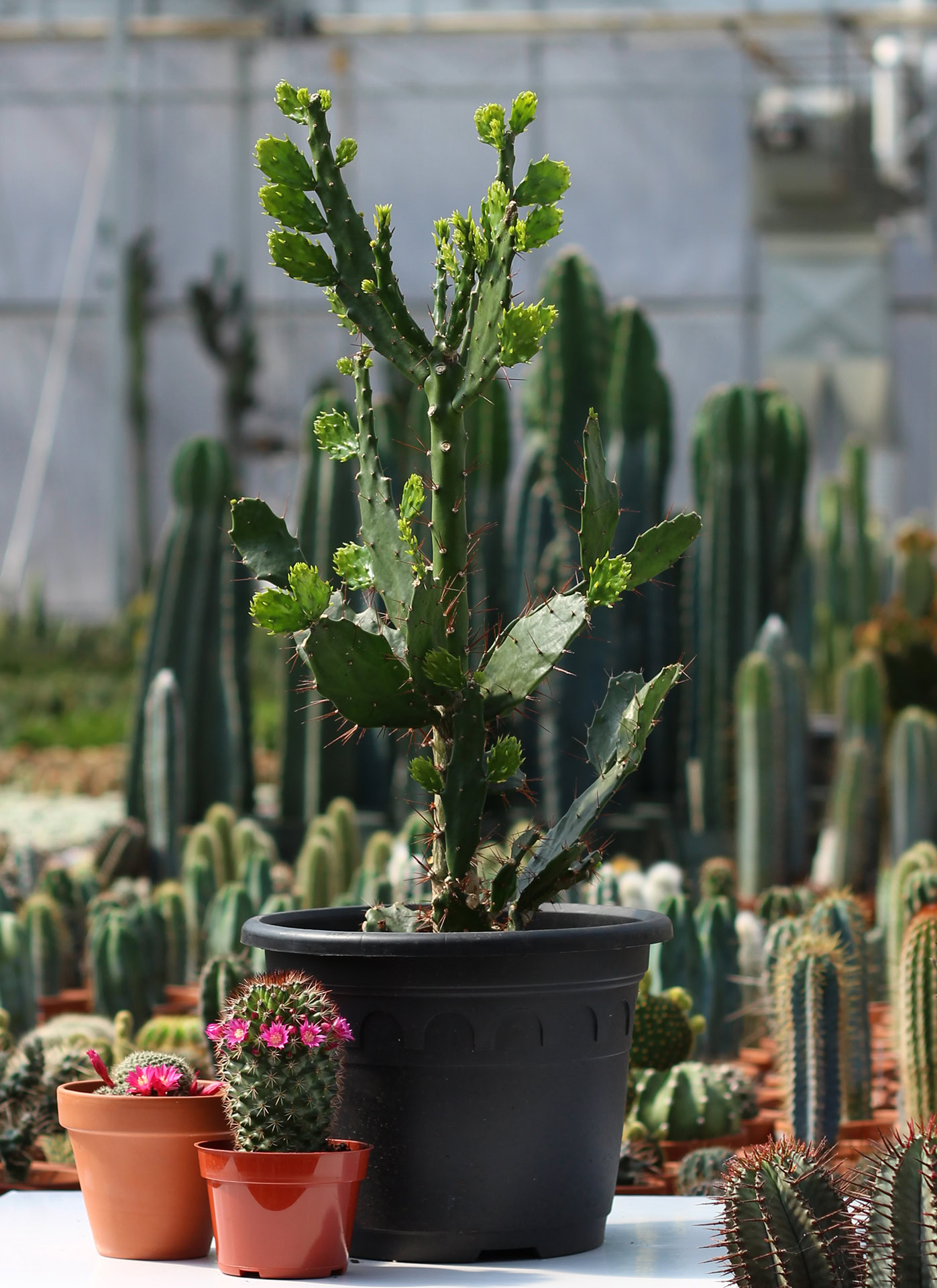
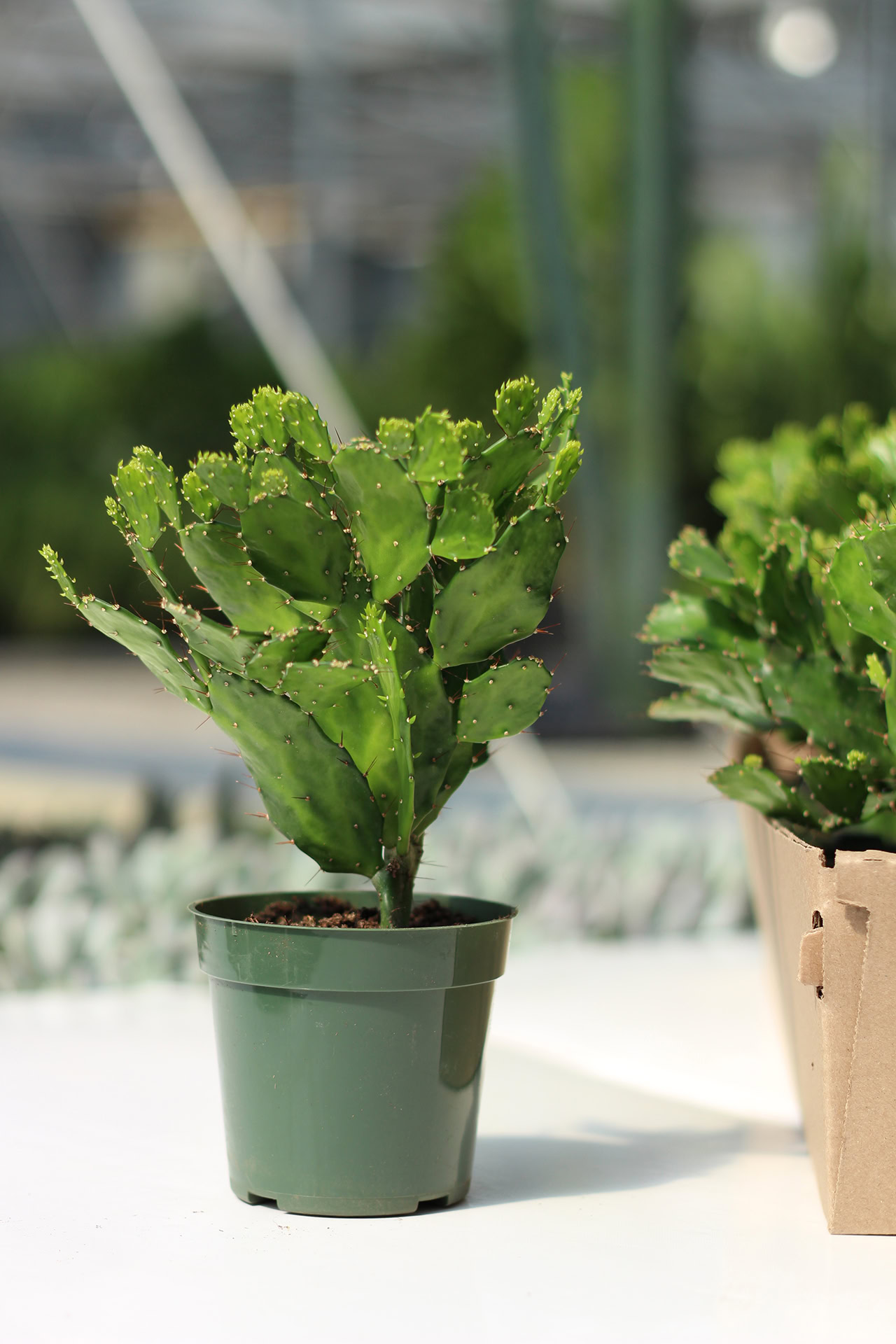
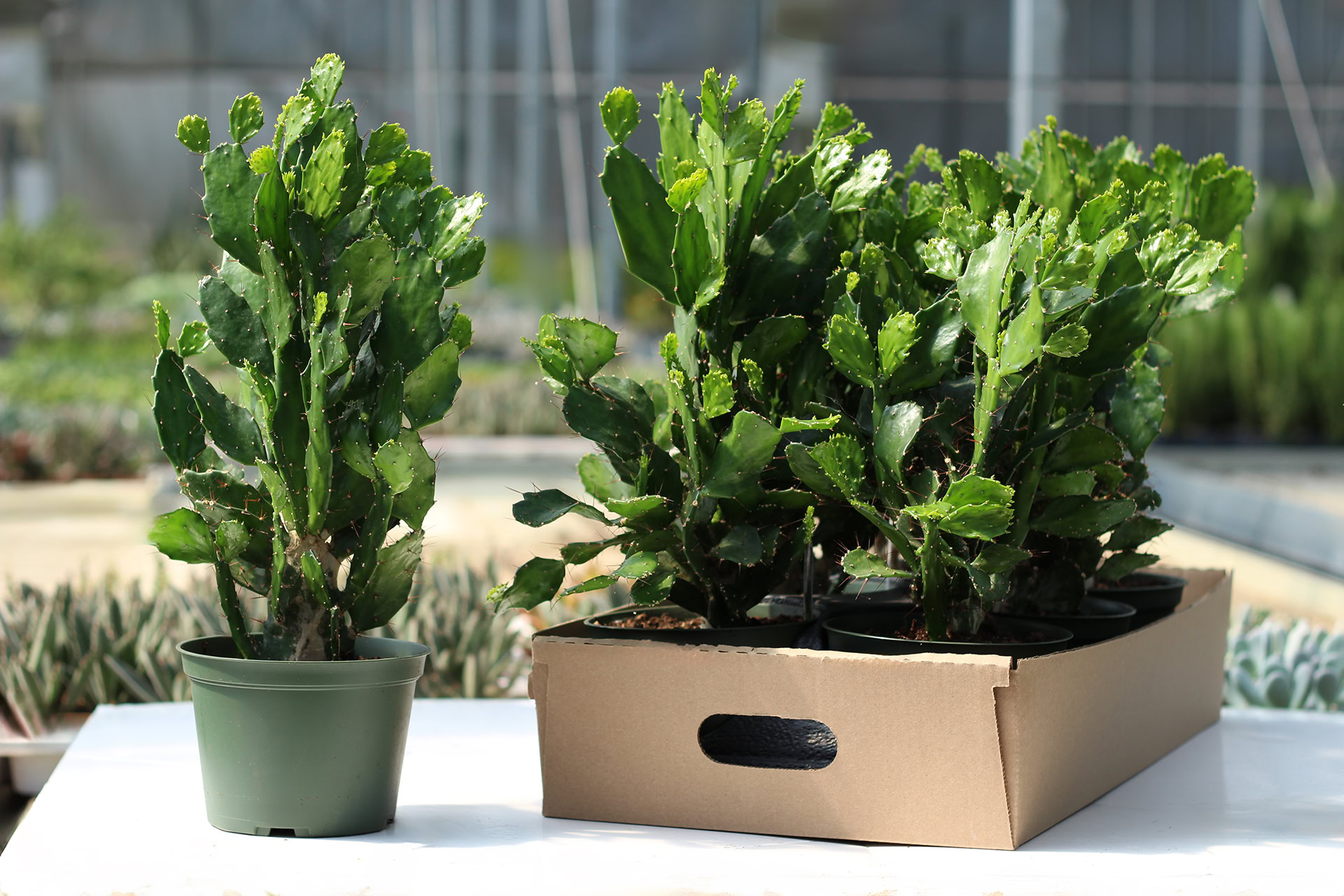
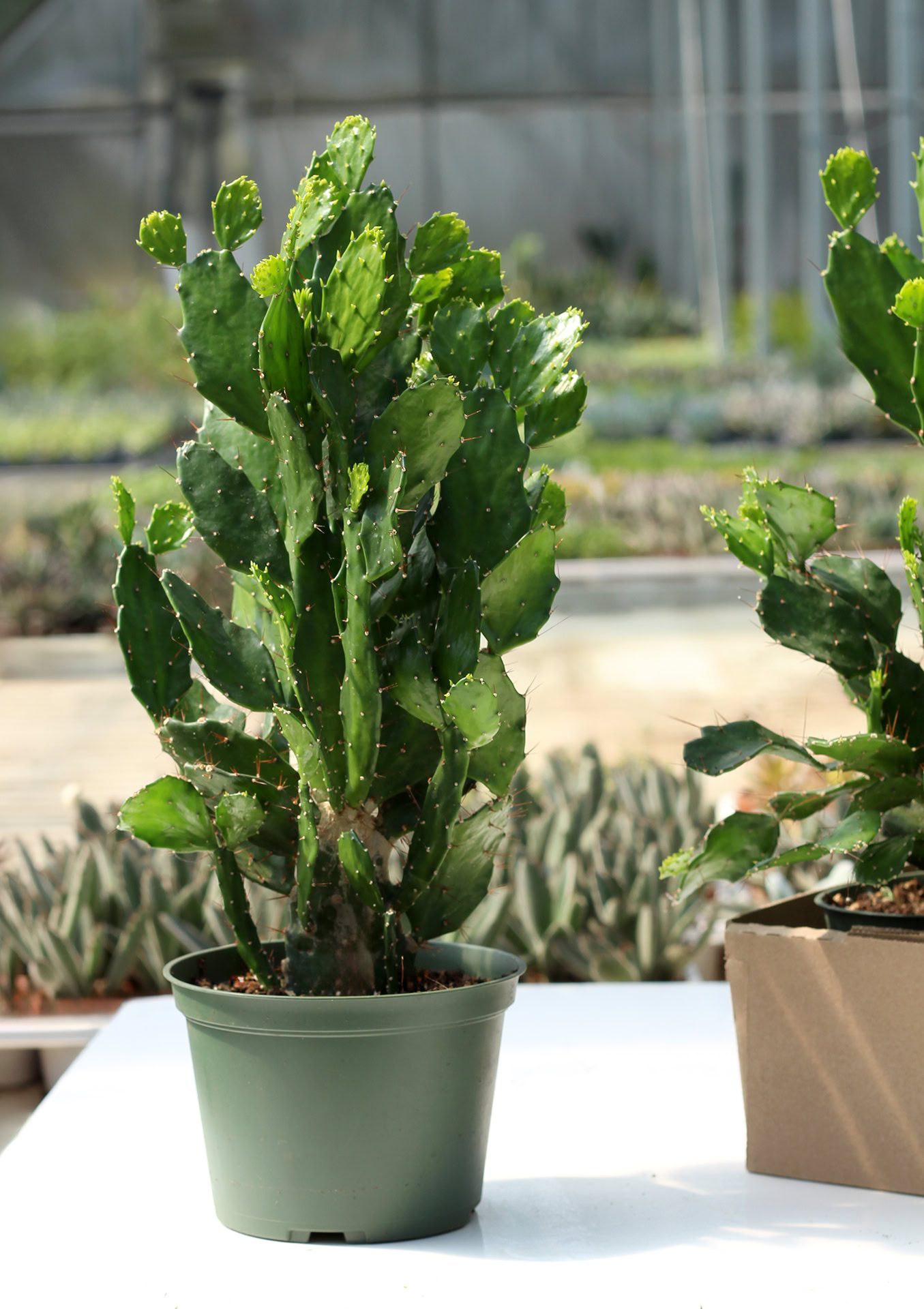
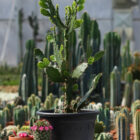
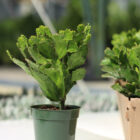
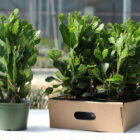
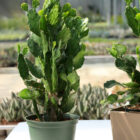
Opuntia brasiliensis is a cactus species belonging to the Opuntia genus, native to South America, specifically central Brazil, northern Argentina, eastern Bolivia, Peru, and Paraguay.
In addition to its natural range, this plant has been introduced and naturalized in other tropical regions, including Florida.
Members of the Opuntia genus are commonly known as prickly pears, due to their edible fruits.
Here are some care tips:
Light
Opuntia brasiliensis prefers full sun. Make sure it receives at least 6 hours of direct sunlight per day for optimal growth.
Watering
Like most cacti, Opuntia brasiliensis requires little water. Water moderately during the growing season (spring and summer), allowing the soil to dry completely between waterings. Reduce watering significantly in autumn and winter.
Soil
Use a well-draining soil mix, ideally one formulated for cacti. Good drainage is essential to prevent root rot.
Temperature
Opuntia brasiliensis can tolerate temperatures up to 26°C (79°F). In winter, it can withstand cooler conditions between 5°C and 10°C (41–50°F) as long as the soil remains dry.
Humidity
This cactus prefers a dry environment. Avoid excessive humidity, which can lead to fungal diseases.
Fertilization
Fertilize lightly once a month during the growing season with a cactus-specific fertilizer. Avoid fertilizing in autumn and winter.
Pruning and Repotting
Repot your Opuntia brasiliensis every two to three years in spring. Prune only to remove dead or damaged segments.
Precautions
Do not overwater your Opuntia brasiliensis — excessive moisture can lead to root rot, one of the main causes of death in cacti. Ensure that the pot has drainage holes and that the soil dries well between waterings. Watch for signs of fungal diseases, especially in high humidity. Mealybugs and aphids can also attack the plant; if infestation occurs, treat with natural or appropriate insecticides.