






Description
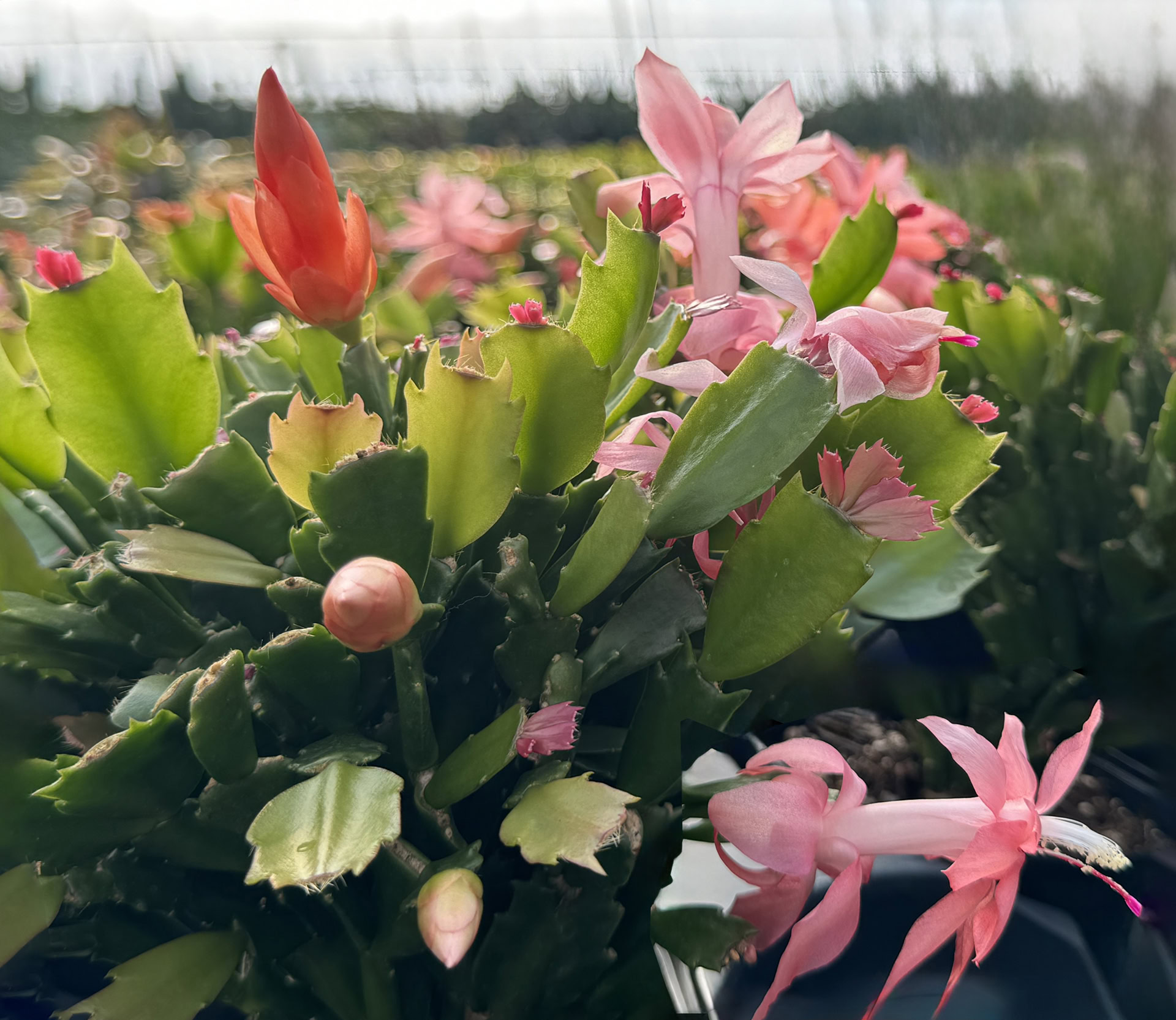
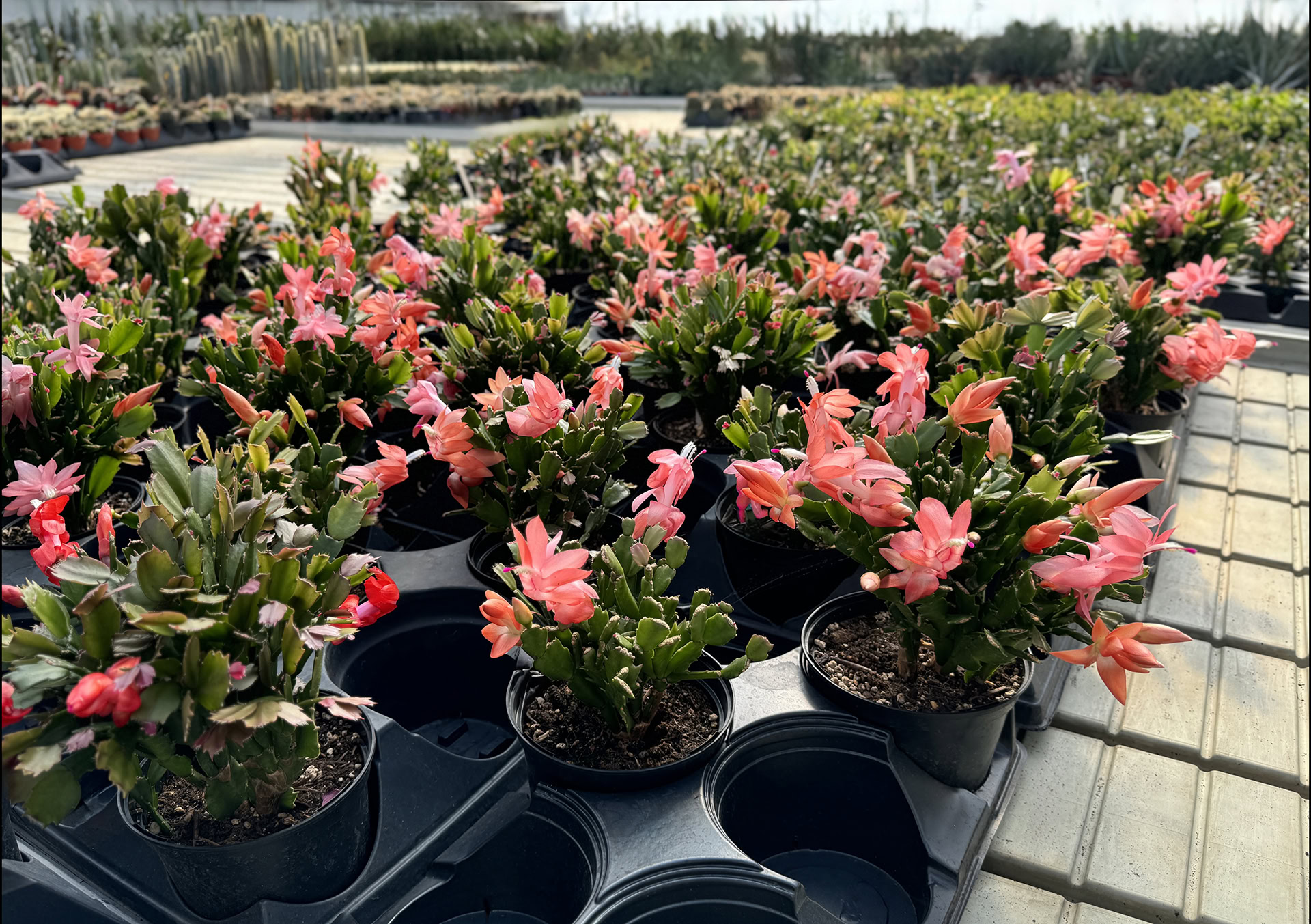
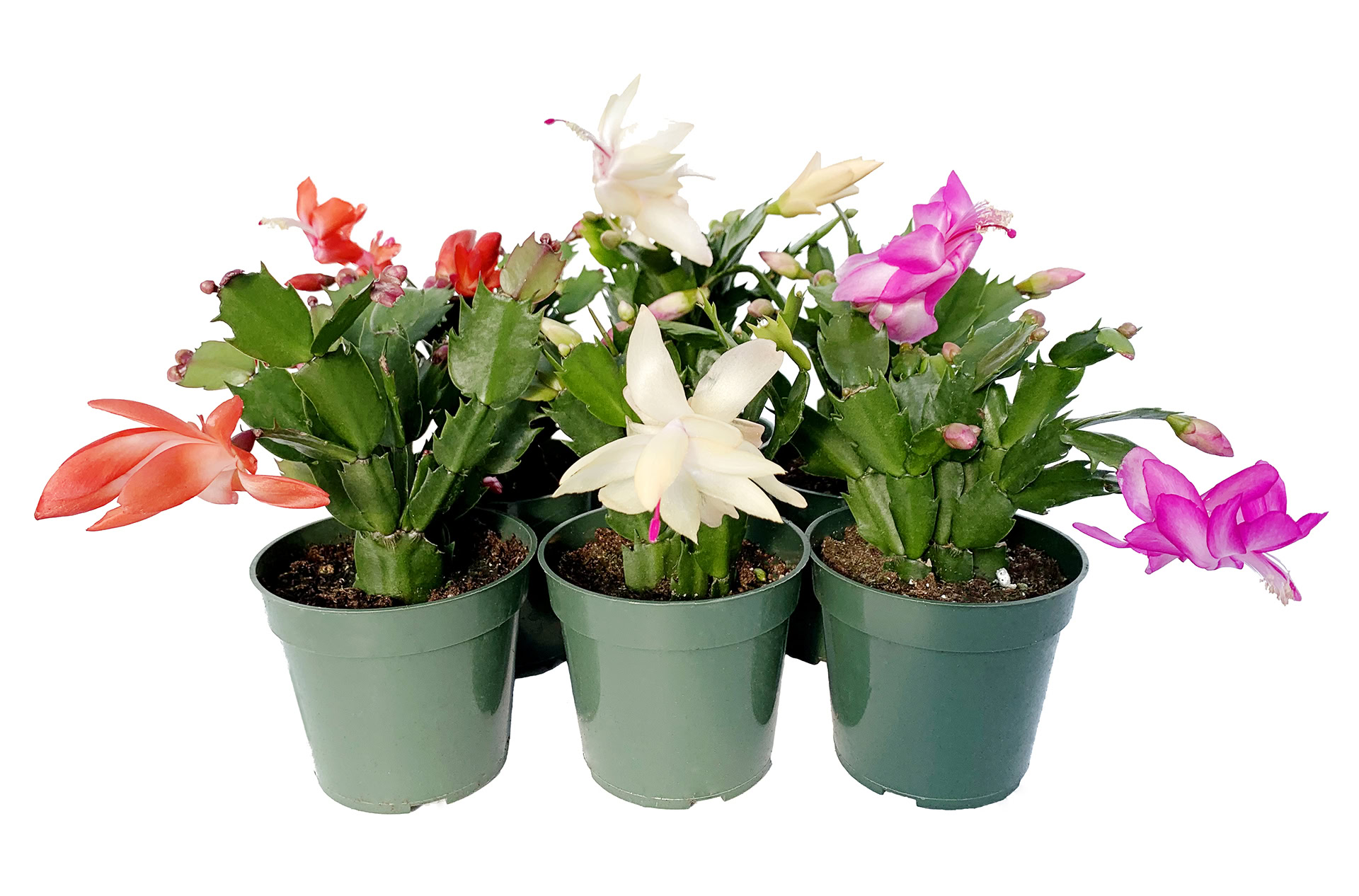
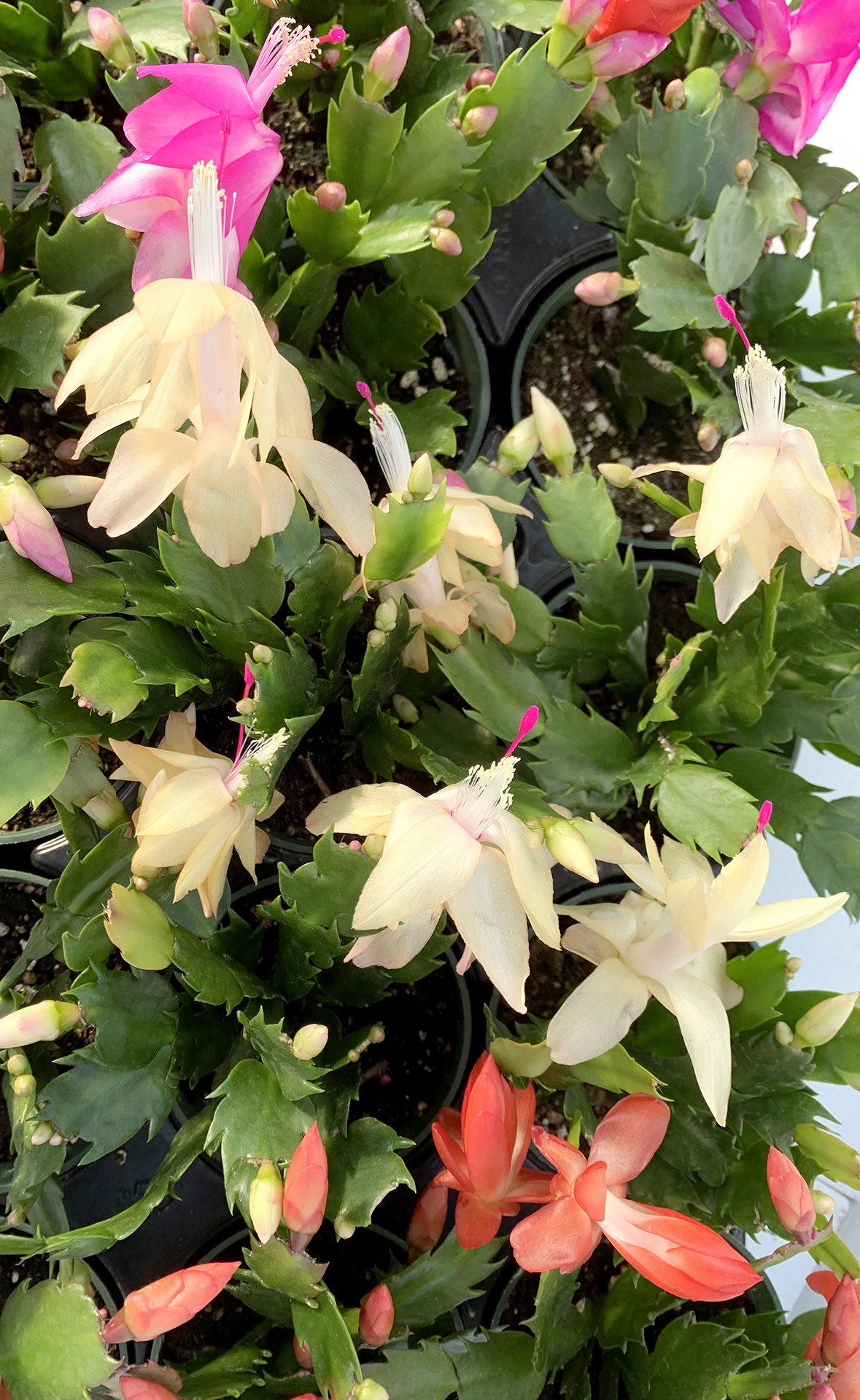
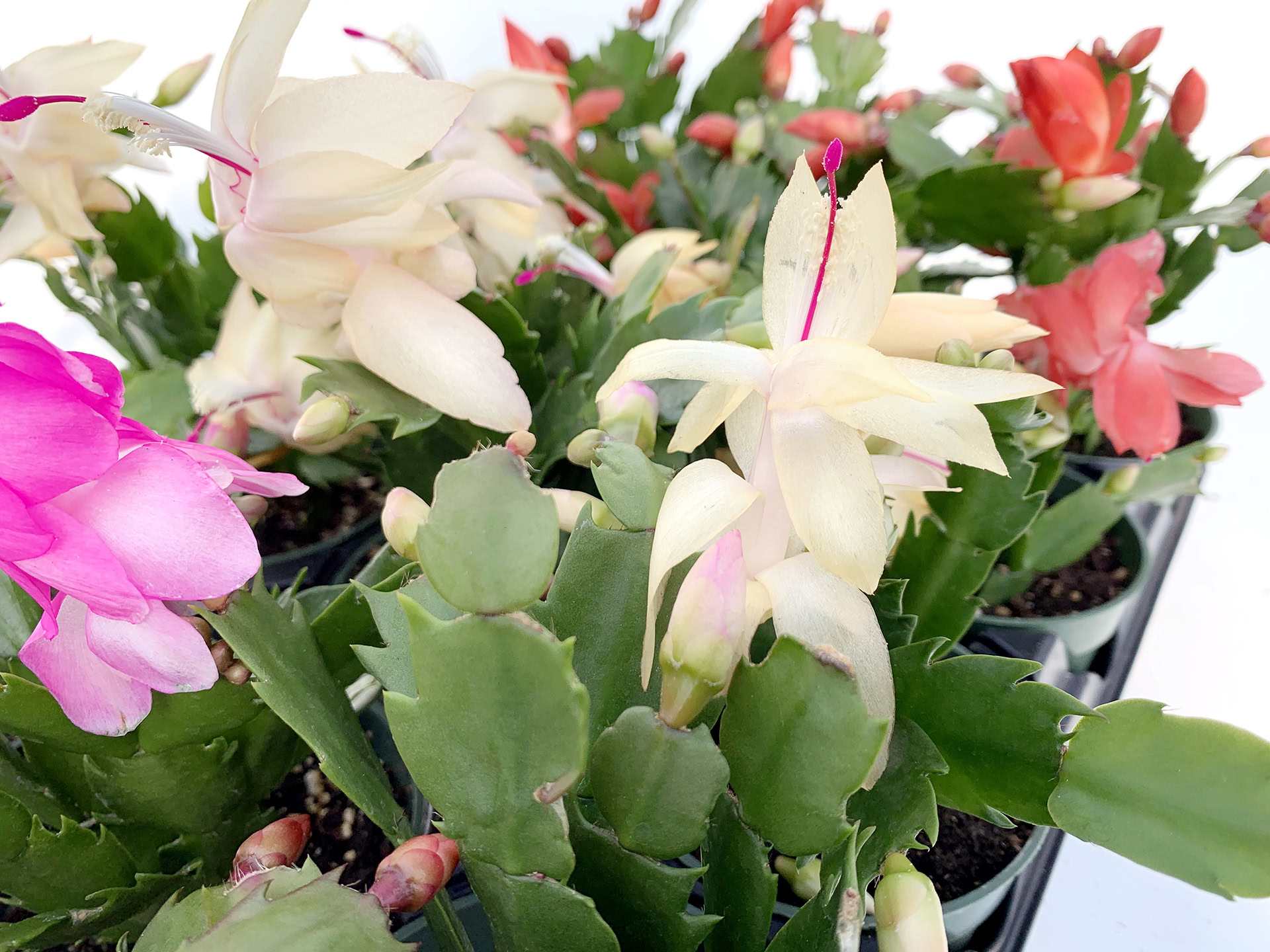
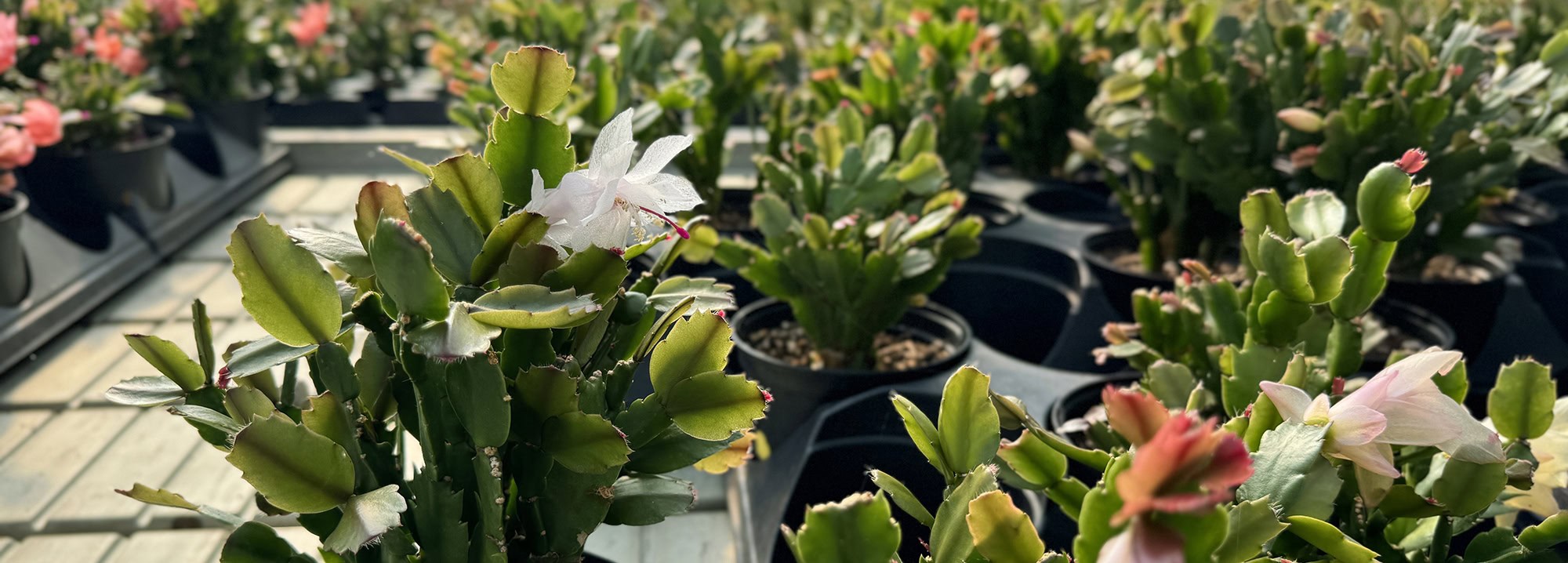
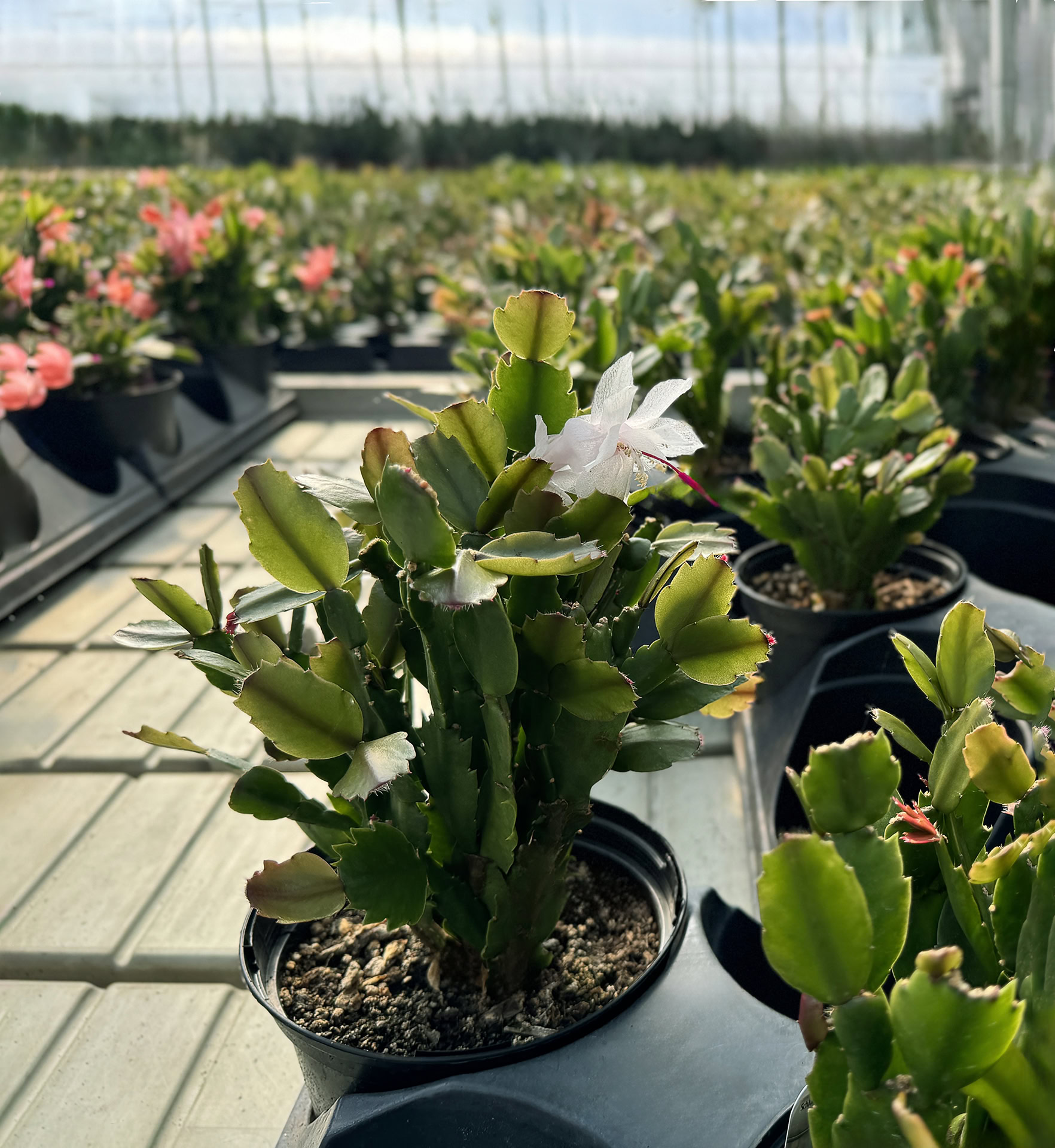
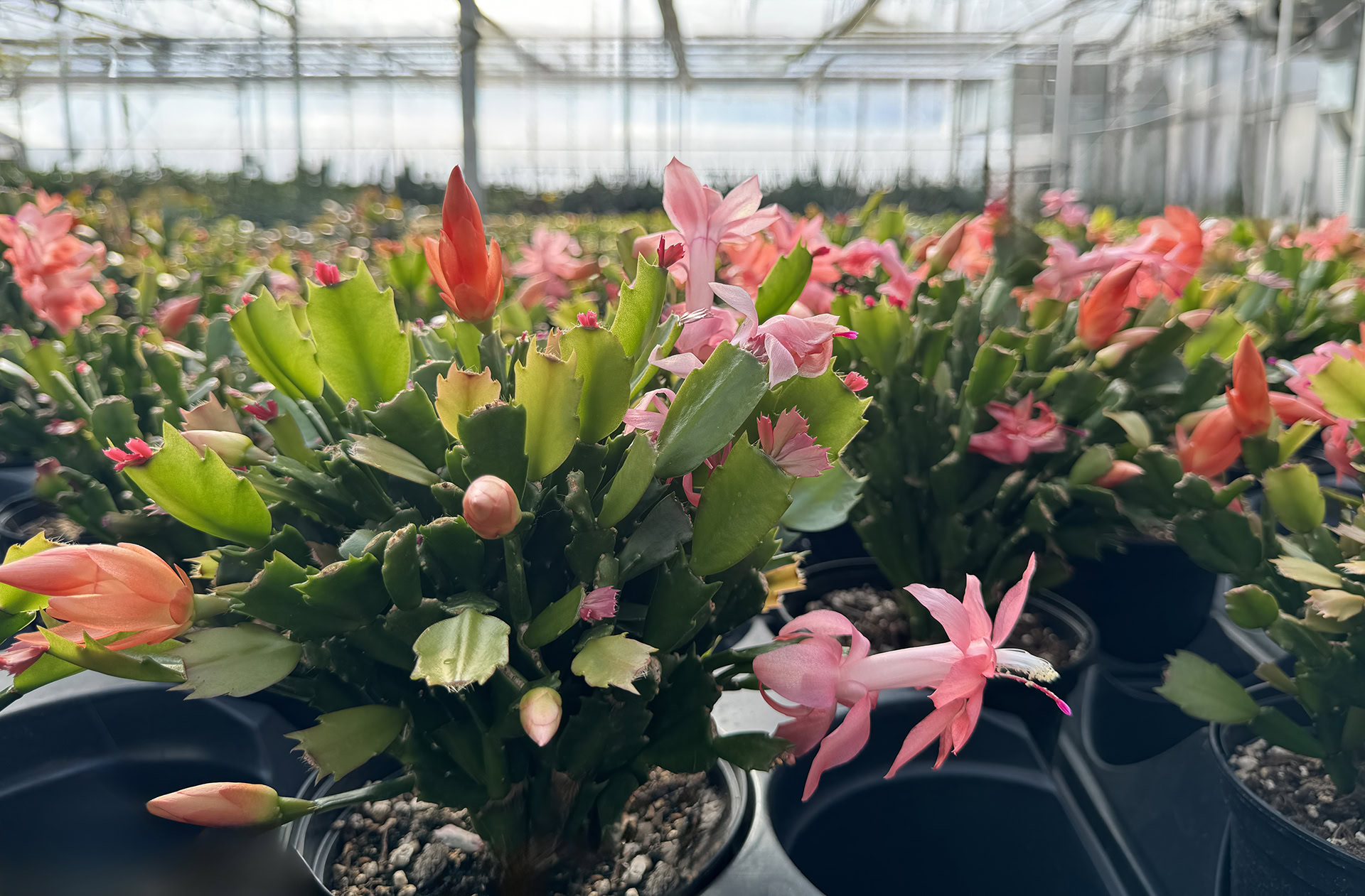
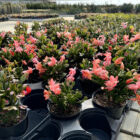
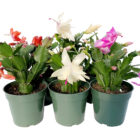
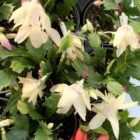
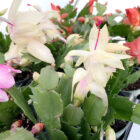
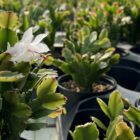
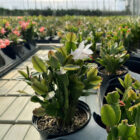
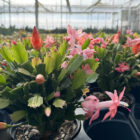
The Schlumbergera truncata, commonly known as the Christmas Cactus, is a tropical succulent native to the humid rainforests of southeastern Brazil. Belonging to the Cactaceae family, it naturally grows as an epiphyte on trees or rocks in its natural habitat. Discovered in the 19th century, this plant is cherished for its spectacular blooms that appear mainly in autumn and winter — the reason behind its festive name.
Here are some care tips:
Light
The Schlumbergera truncata prefers bright, indirect light. Avoid direct sunlight, especially during the hottest hours of the day, as it can scorch the leaves.
Watering
Unlike most cacti, this plant requires regular watering. Keep the soil slightly moist during the growing season (spring and summer), but reduce watering in autumn and winter, allowing the soil to dry out between waterings.
Soil
Use a well-draining potting mix, ideally one formulated for cacti or succulents. Adding a bit of sand or perlite can help improve drainage.
Temperature
This plant prefers moderate temperatures. It thrives in daytime temperatures between 18°C and 24°C (64–75°F) and slightly cooler conditions at night.
Humidity
The Schlumbergera truncata enjoys high humidity levels, similar to its native tropical environment. You can increase humidity by misting the leaves or placing the pot on a pebble tray filled with water.
Fertilization
Feed the plant every two weeks during the growing season with a balanced fertilizer diluted to half strength. Reduce fertilization in autumn and winter.
Pruning and Repotting
Prune the plant after flowering to encourage a more compact shape and promote future blooming. Repot every two to three years in spring, using a slightly larger pot with fresh, well-draining soil.
Precautions
Avoid overwatering — the plant is sensitive to root rot caused by excess moisture or poor drainage. Always let the soil dry between waterings. Watch for common pests and diseases such as mealybugs, aphids, or root rot, and treat infestations promptly with appropriate insecticidal solutions.