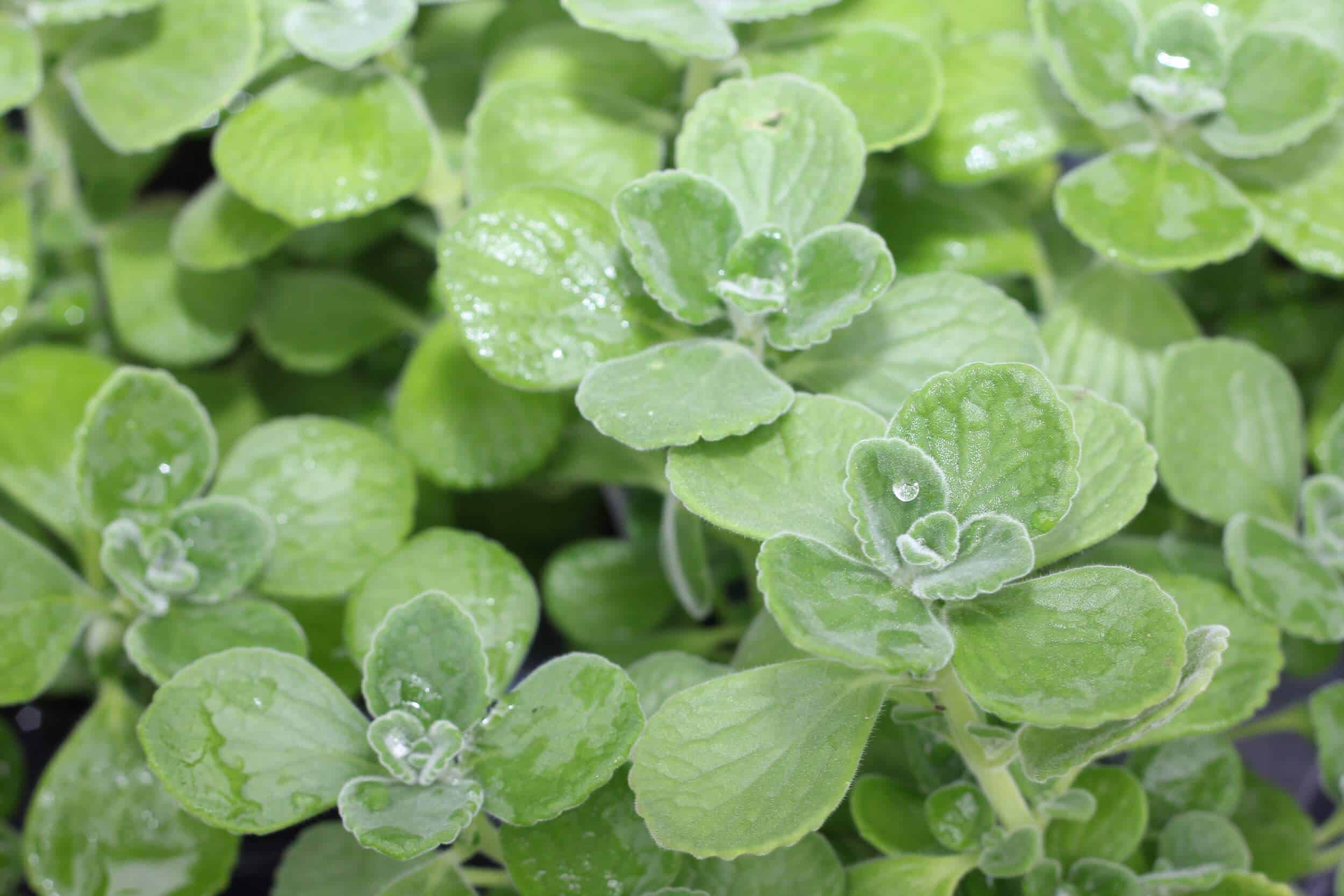
Plectranthus Amboinicus | Cuban Oregano
In Cuba, in traditional medicine, it is used fresh in infusions, among other things, to treat digestive issues, respiratory diseases, and even arthritis. It can also be mixed with sugar to make a syrup for coughs and sore throats. Some people even rub the leaves on their skin as an insect repellent.
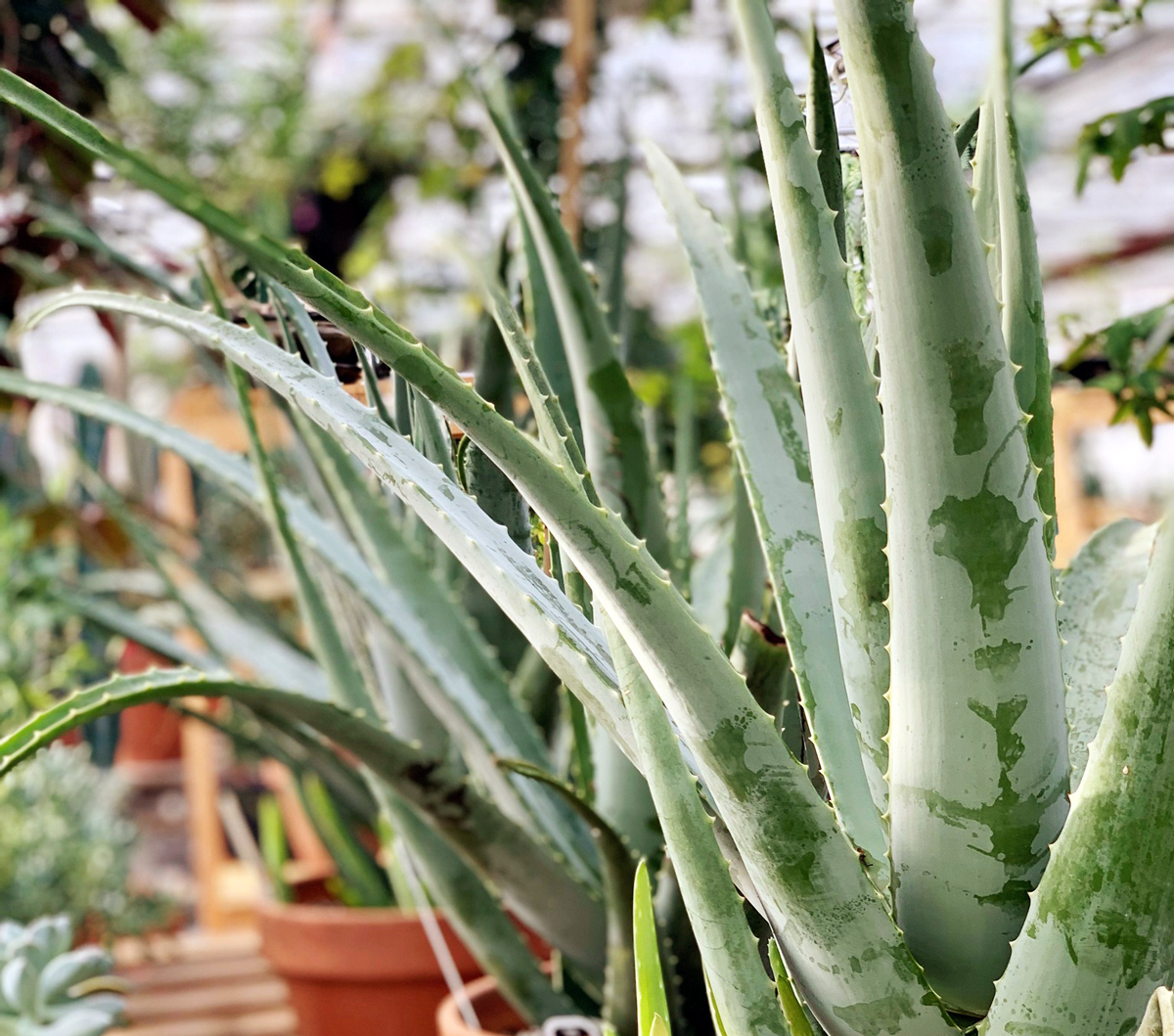
Aloe Vera
Aloe produces two substances that are very different in appearance and therapeutic properties. It is important not to confuse them.
Aloe’s yellow, bitter latex runs through tiny canals beneath the leaf’s surface. Rich in anthranoids (mainly aloin) — powerful natural laxative compounds — this substance should be used with care, as it can irritate the skin and mucous membranes.
The gel, made up of a clear mucilage found in the heart of large aloe leaves, has strong emollient properties (softening and soothing the tissues). It can also be taken internally, in capsule or juice form (a drink containing at least 50% gel). Excellent for digestive problems.
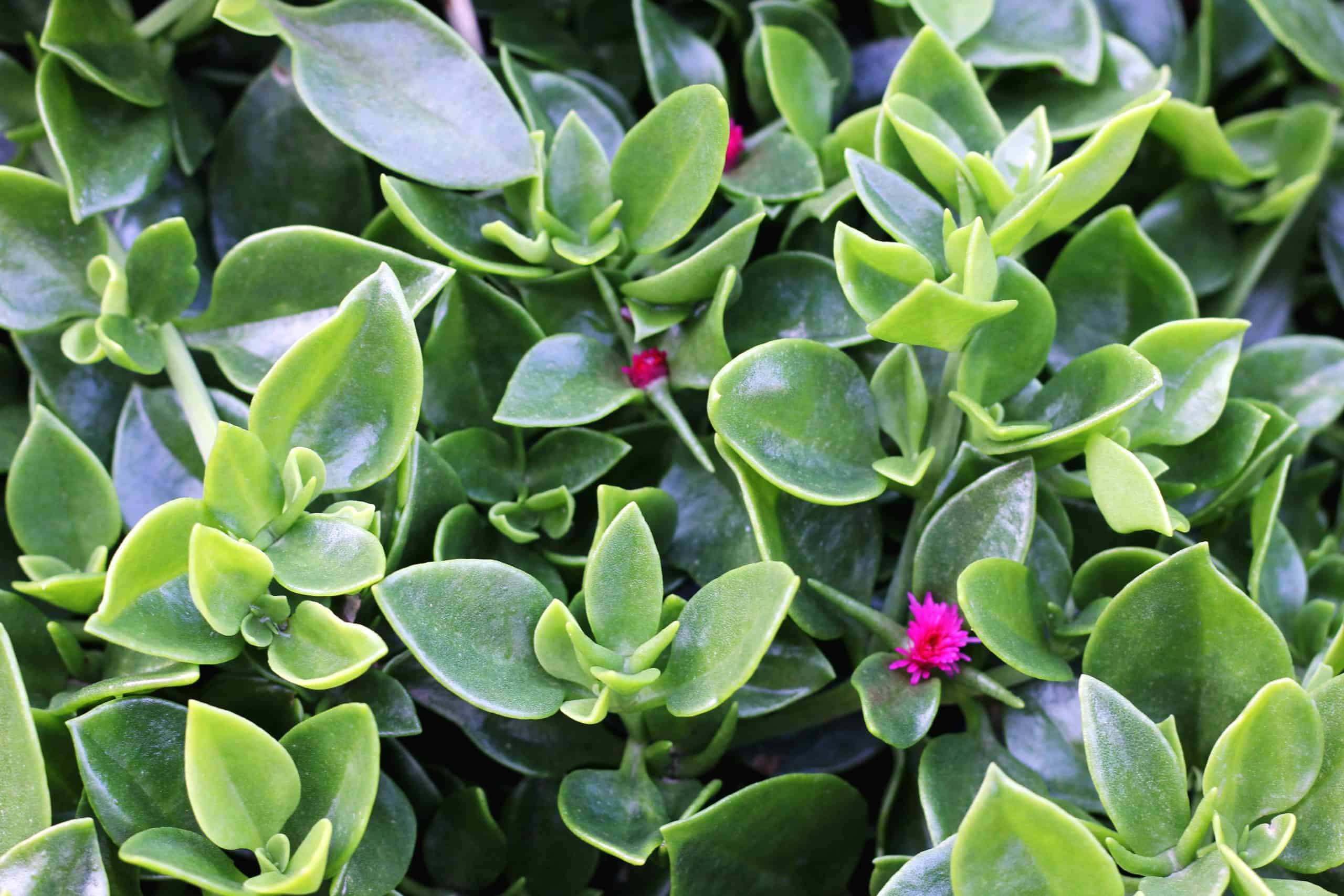
Aptenia Cordifolia
This edible plant can be enjoyed raw or in salads. It has a tangy flavor and a crisp texture.
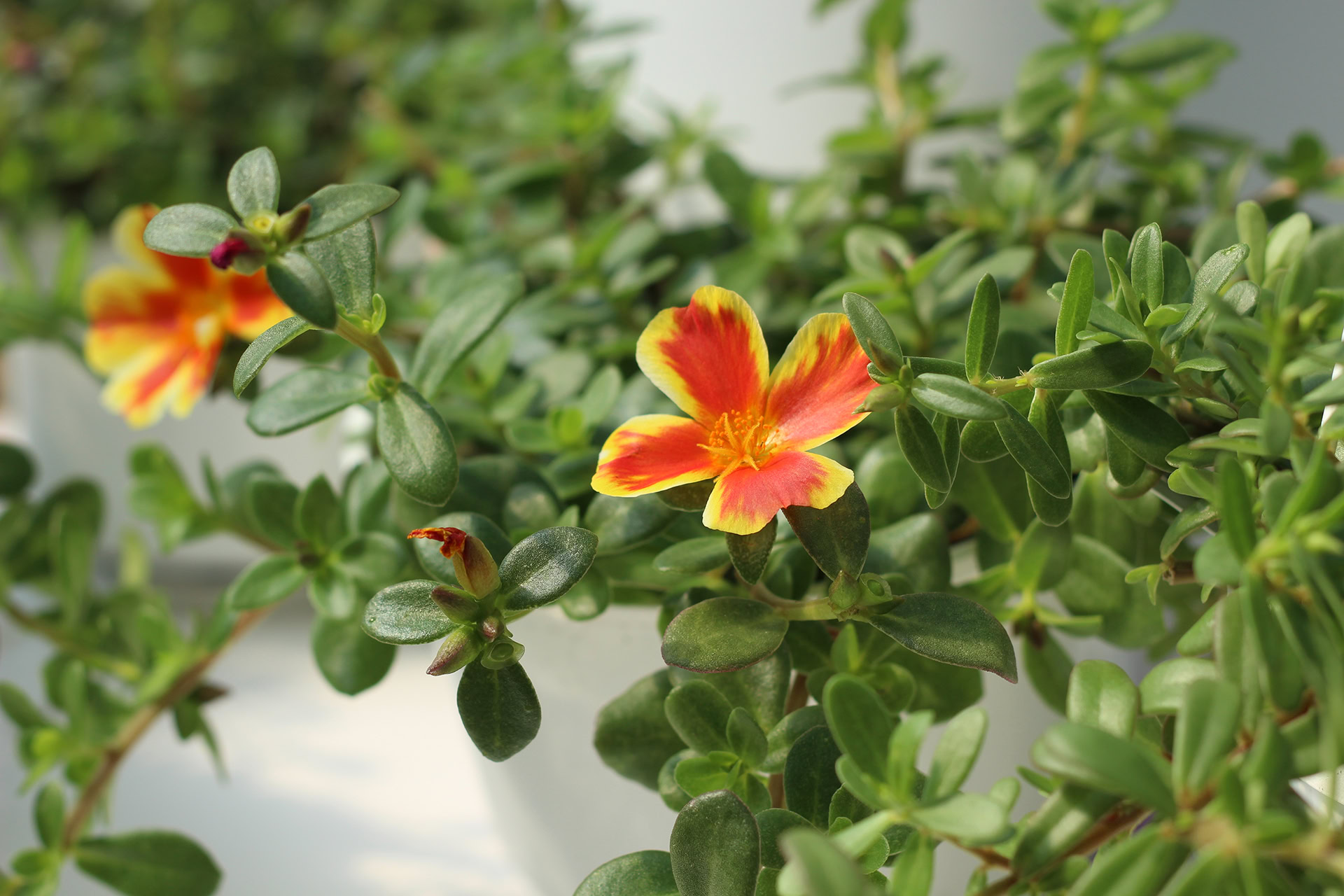
Portulaca oleracea
A crunchy succulent plant, both the flower and the leaf are edible, delicious in salads. (It can be used as a substitute for spinach.)
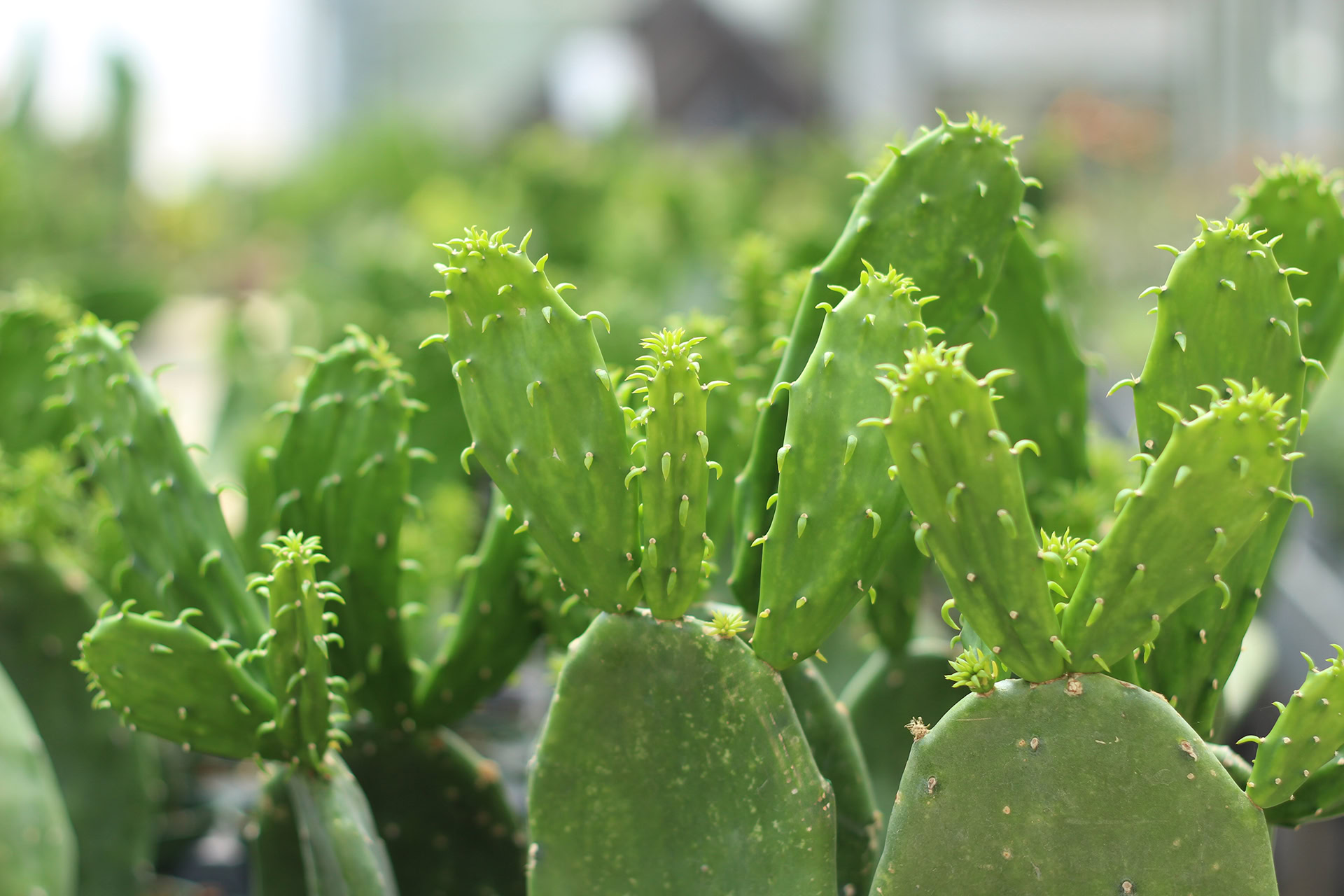
Opuntia Ficus-Indica | Nopal | Prickly Pear Cactus
Nopal is renowned for its ability to help regulate blood sugar levels in people with diabetes.
The ripe fruit of certain varieties is eaten fresh, made into marmalade, or used to prepare an alcoholic beverage called colonche. Several varieties of Nopal are used to produce nopalitos, commonly eaten as a vegetable, with a flavor similar to green beans or asparagus.
| NUTRITIONAL VALUES PER 100 G | ||
| NUTRIENTS | PRICKLY PEAR | RAW NOPAL PADS |
| Energy | 172 kJ / 41 kcal | 66 kJ / 16 kcal |
| Fats | 0,5 g | 0,09 g |
| including saturated fat | < 0,1 g | < 0,1 g |
| Carbohydrates | 9.6 g | 3.3 g |
| including sugar | 9 g | 1.1 g |
| Fiber | 3.6 g | 2.2 g |
| Protein | 0.7 g | 1.3 g |
| Salt | < 0.1 g | < 0.1 g |
| Calcium | 56 mg | 164 mg |
| Magnesium | 85 mg | 52 mg |
| Phosphorus | 24 mg | 16 mg |
| Potassium | 220 mg | 257 mg |
| Vitamin A | 2 µg | 23 µg |
| Beta-carotene | 25 µg | 250 µg |
| Vitamin B9 | 6 µg | 3 µg |
| Vitamin C | 14 mg | 9.3 mg |