





Description
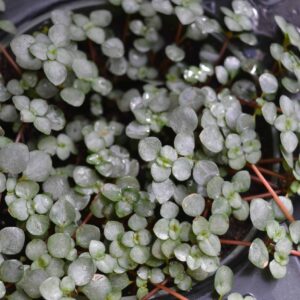
Peperomia incana is an attractive houseplant from the Piperaceae family, native to the tropical regions of Central and South America. It is admired for its soft, velvety, silver-green foliage and easy care, making it a lovely addition to any indoor plant collection.
Here are some tips to help you care for this beautiful plant:
Light
Peperomia incana prefers medium to bright indirect light, though it can tolerate lower light conditions. Avoid direct sunlight, especially during summer, as it can scorch the delicate leaves.
Temperature
This plant thrives in moderate temperatures between 18°C and 24°C (64–75°F). Keep it away from cold drafts and sudden temperature changes.
Watering
Water regularly to keep the soil slightly moist but not soggy. Allow the top layer of soil to dry out slightly between waterings. In winter, reduce watering as the plant’s growth slows down.
Humidity
Peperomia incana enjoys a slightly humid environment. You can increase humidity by placing the pot on a tray of pebbles with water, ensuring the bottom of the pot does not touch the water.
Soil
Use a well-draining indoor potting mix, enriched with organic matter. Ensure the pot has proper drainage holes to prevent water from accumulating around the roots.
Fertilization
Feed lightly with a balanced, diluted liquid fertilizer every 4 to 6 weeks during spring and summer. Avoid fertilizing in autumn and winter when the plant is less active.
Repotting
Repot every 1–2 years in spring, if necessary, using a slightly larger pot with adequate drainage.
Pruning
Peperomia incana generally does not require regular pruning. You can pinch back new growth to encourage a more compact and bushy appearance if desired.
Propagation
This plant propagates easily through stem cuttings. Take healthy cuttings with several nodes and plant them in moist, well-draining soil. Roots should develop within a few weeks.
Entretien général
Watch for pests like mealybugs or spider mites. Treat infestations promptly with a mild insecticide if needed. Remove any yellow or dead leaves to keep the plant tidy.
Precautions
Although Peperomia incana is non-toxic to humans, it’s best to keep it out of reach of children and pets to avoid accidental ingestion.