





Description
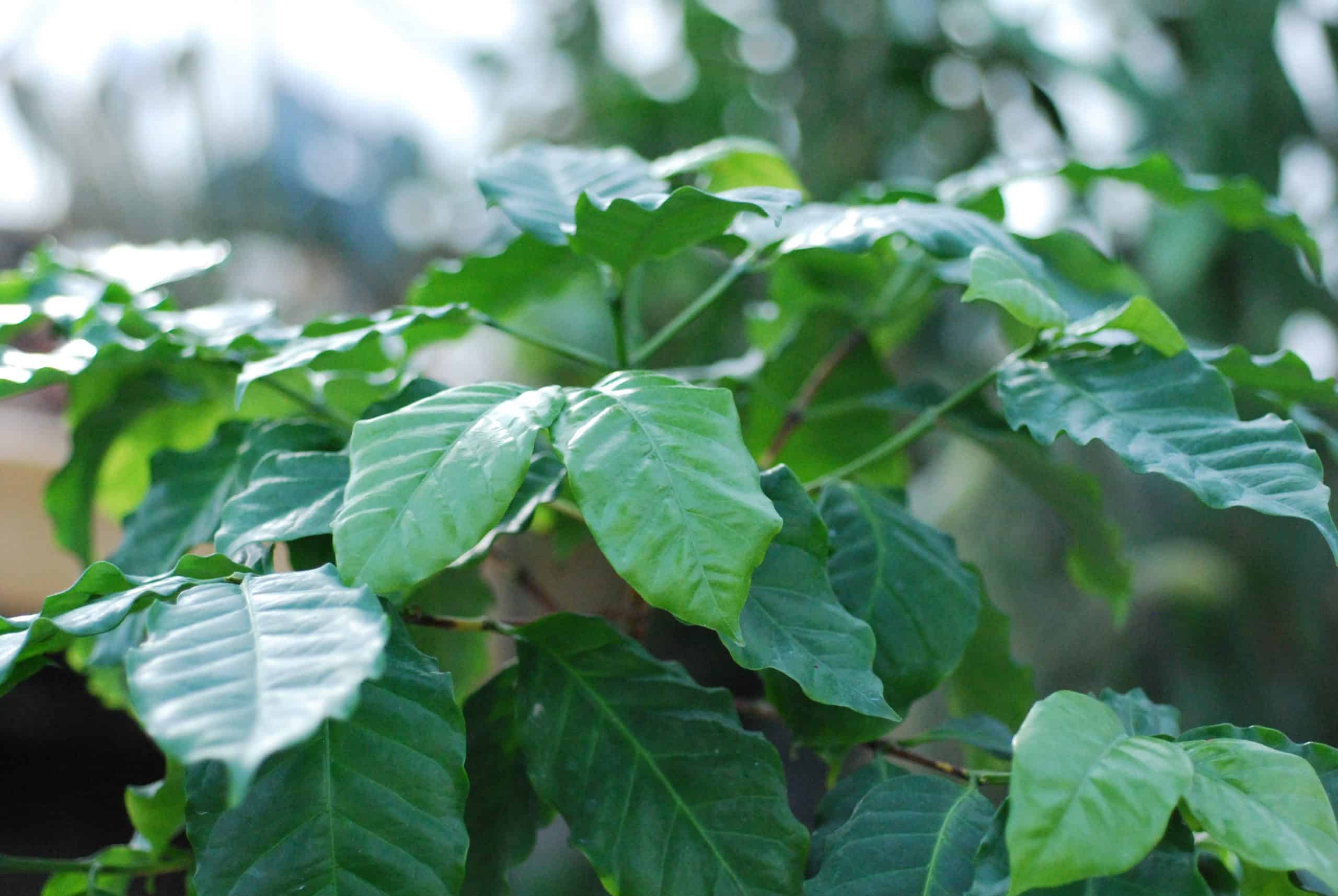
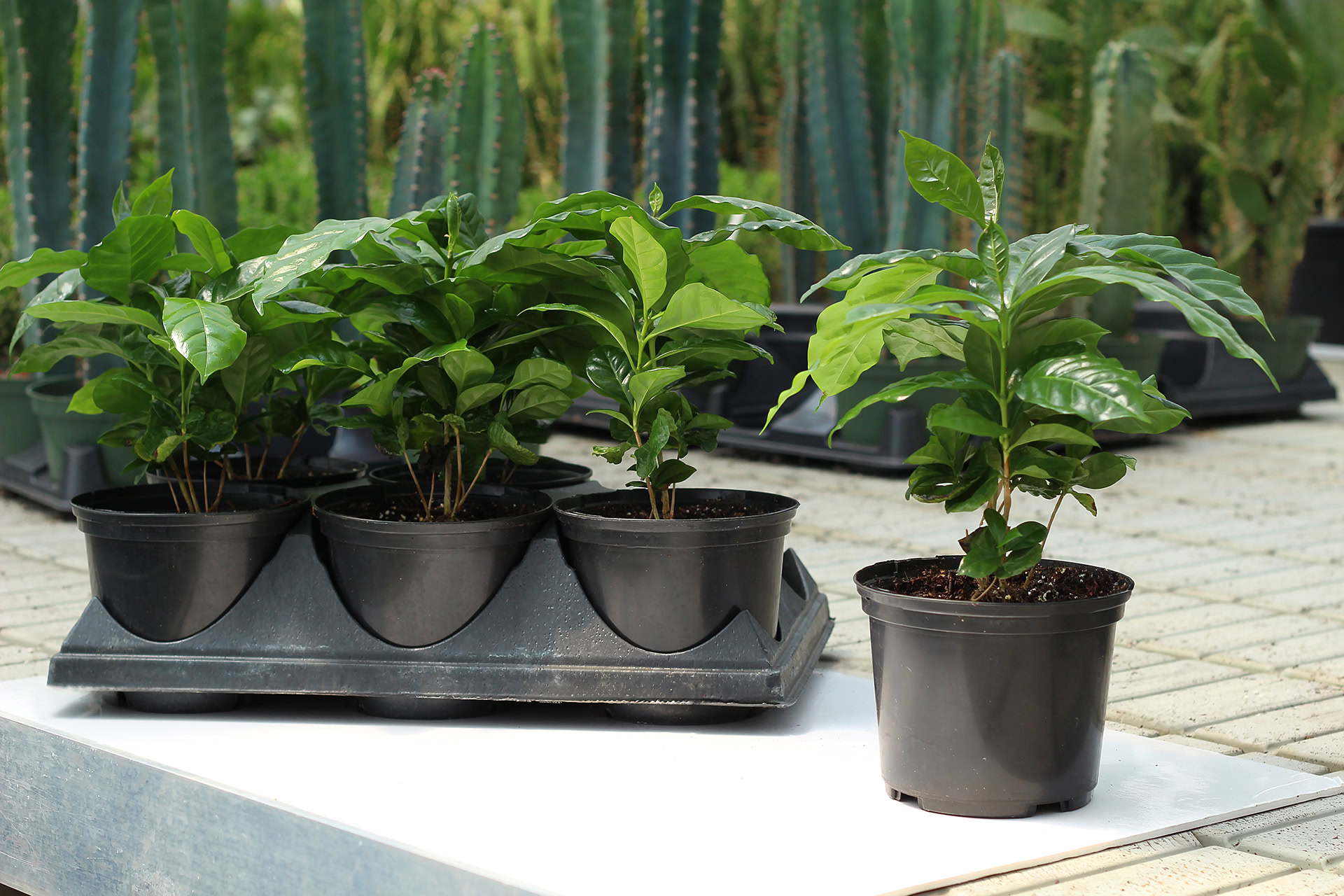
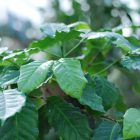
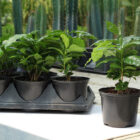
Coffea arabica, commonly known as the Arabica coffee plant, is a tropical plant native to the highlands of Ethiopia. Valued for its aromatic coffee beans, it is also grown as a houseplant for its glossy green foliage and its ability to produce fragrant white flowers and red fruits.
Here are some care tips:
Light:
Coffea arabica prefers bright but indirect light. Avoid direct and prolonged exposure to the sun, especially in summer, as it can burn the leaves. Insufficient light may slow down the plant’s growth.
Watering
The coffee plant likes constantly moist but well-drained soil. Water regularly to keep the soil slightly moist, while avoiding excess water that may cause root rot. In winter, reduce watering frequency but do not allow the soil to dry out completely.
Temperature and Humidity
Coffea arabica prefers moderate temperatures between 18 and 24°C (64–75°F). It does not tolerate temperatures below 10°C (50°F). This plant enjoys high humidity, so regular misting or a humidifier can be beneficial, especially in winter when indoor air is dry.
Soil and Fertilization
Use a rich, well-draining potting mix, ideally a blend for tropical plants or a mix of potting soil and sand. Fertilize every 2 to 4 weeks during the growing season (spring and summer) with a balanced fertilizer. In autumn and winter, reduce or stop fertilizing.
Pruning and Propagation
Coffea arabica can be pruned to maintain a compact shape and encourage new growth. Prune preferably in spring. To propagate, use stem cuttings: take a 10–15 cm cutting, remove the lower leaves, and plant it in moist soil until roots form.
Common Problems
Coffea arabica may be attacked by aphids, mealybugs, and spider mites. Inspect the plant regularly and treat infestations with suitable insecticidal solutions or natural methods like neem oil. Leaves may turn yellow if the plant receives too much water or too few nutrients. Make sure to water properly and fertilize regularly.