










Description
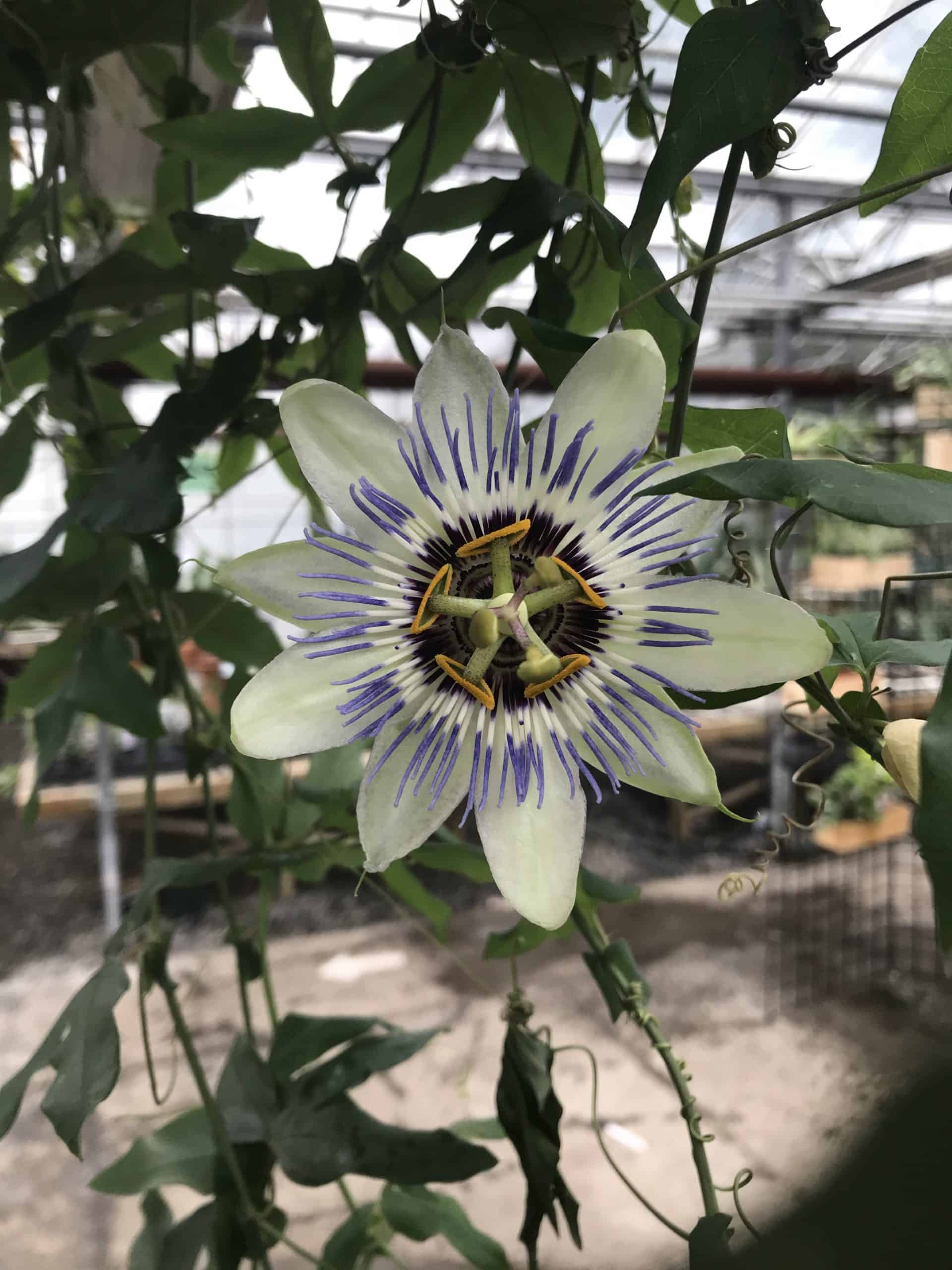
Passiflora caerulea, also known as the Blue Passionflower or Common Passionflower, is a climbing plant species belonging to the Passifloraceae family. Native to South America, it is widely cultivated as an ornamental plant for its stunning flowers and attractive foliage.
Here are some care tips:
Light
Passiflora caerulea prefers full sun to partial shade. It thrives best in bright, indirect light. Avoid harsh afternoon sun exposure, especially in warmer climates, as it may scorch the leaves.
Watering
This passionflower enjoys slightly moist but well-drained soil. Water regularly to maintain consistent soil moisture during the active growing season (spring and summer). Reduce watering in autumn and winter, allowing the top layer of soil to dry slightly between waterings.
Soil
Use a rich, well-draining potting mix high in organic matter. Passionflowers prefer slightly acidic to neutral soil. Ensure the pot has adequate drainage holes to prevent water stagnation and root rot.
Temperature
Passiflora caerulea prefers warm to moderate temperatures. It is frost-sensitive and should be protected from temperatures below -5°C (23°F). In winter, place it in a cool but bright location to encourage a natural dormancy period.
Fertilization
Feed your Passiflora caerulea monthly during spring and summer with a balanced, diluted fertilizer to support vigorous growth and blooming. In autumn and winter, reduce feeding to every two months. Avoid overfertilization, which can damage the roots.
Pruning
Prune lightly as needed to control growth and encourage healthy branching. Pruning after flowering helps promote fresh growth and even more abundant blooms the following season.
Support
Like many passionflowers, Passiflora caerulea climbs using tendrils. Provide a suitable support structure such as a trellis or garden frame to allow it to grow vertically and spread beautifully.
Precautions
Passionflowers are generally non-toxic, but some individuals may experience allergic reactions to the pollen or foliage. Take care if you have known plant allergies.