






Description
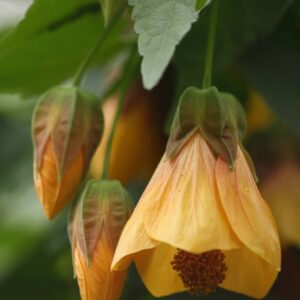
Brugmansia ‘Pink Lady’, also known as Angel’s Trumpet, is a shrubby plant from the Solanaceae family. Native to South America — mainly the Andean regions of Peru, Ecuador, and Colombia — it is prized for its large, pendulous trumpet-shaped flowers of a delicate pink color, which emit a captivating fragrance, especially at dusk.
Light
This plant prefers full sun or partial shade. Indoors, place it near a bright window. Insufficient light can reduce flowering and slow down growth.
Temperature and Humidity
Brugmansia ‘Pink Lady’ enjoys moderate to warm temperatures, ideally between 15 and 25°C (59–77°F). It can tolerate higher temperatures but must be protected from frost. In winter, if you live in a cold region, it is best to bring the plant indoors or protect it with a thick mulch. It appreciates moderate to high humidity, similar to its tropical native environment.
Watering
Water regularly to keep the soil consistently moist but not waterlogged. During the active growing season (spring and summer), water generously, then reduce the frequency in autumn and winter. Avoid letting the soil dry out completely between waterings.
Soil
Use a rich, well-draining soil with plenty of organic matter. A potting mix combined with compost is ideal. Ensure the pot or garden bed has good drainage to prevent root rot.
Fertilization
This is a heavy feeder. Fertilize every two weeks during the growing season with a balanced fertilizer high in phosphorus to encourage abundant flowering. Reduce feeding in autumn and winter.
Pruning and Support
Prune regularly to maintain a compact shape and promote flowering. Remove any dead or diseased branches, and cut back stems after flowering to stimulate new growth. The plant may benefit from staking, especially when young or potted.
Common Problems
Brugmansias can be susceptible to pests such as aphids, spider mites, and whiteflies. Inspect the plant frequently and treat infestations promptly with appropriate solutions. Root rot due to overwatering is also a common issue; ensure proper drainage and avoid excessive watering.