








Description
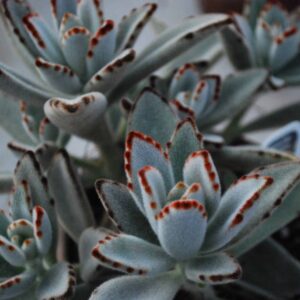
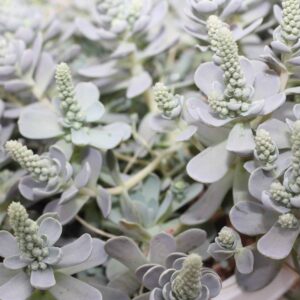
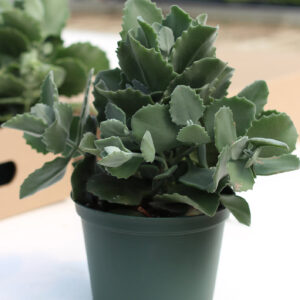
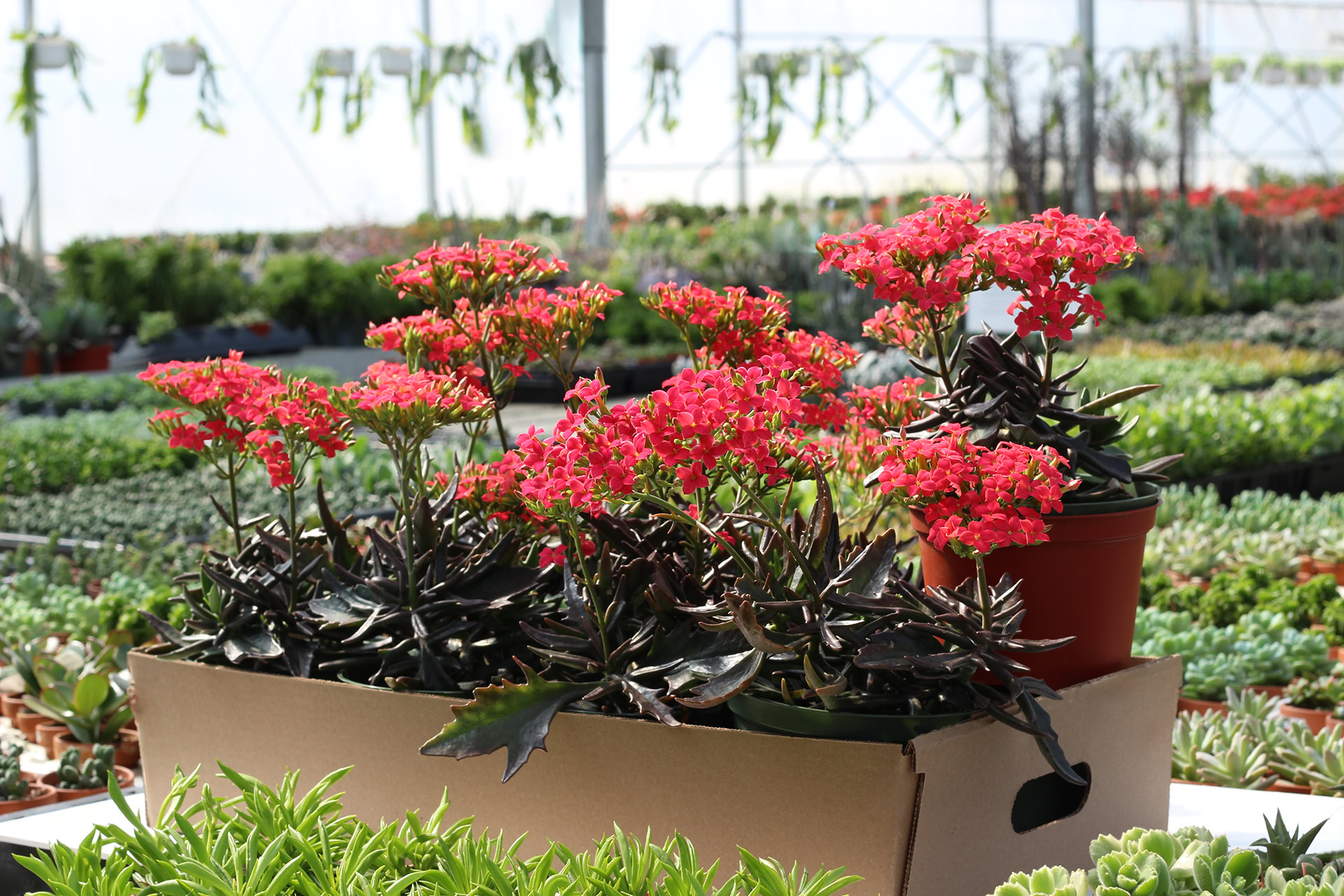
Kalanchoe kewensis, also called the “Harpoon Leaf Kalanchoe” due to the distinctive shape of its leaves, is a member of the Crassulaceae family native to the dry, warm, and tropical regions of Madagascar and Africa. Its clusters of pink flowers make it a favorite among Kalanchoe enthusiasts.
Here are some care tips:
Light
Kalanchoe kewensis prefers bright, indirect light. It can tolerate some direct sunlight, but avoid the intense midday sun, which can scorch its leaves and flowers.
Watering
Like all succulents, it has low water needs. Water moderately during the growing season (spring and summer), allowing the soil to dry out completely between waterings. In fall and winter, reduce watering to only when the soil is completely dry.
Soil
Use a well-draining mix, ideally one formulated for succulents or cacti. Good drainage is essential to prevent root rot. You can add sand or perlite to improve aeration and drainage.
Temperature
Kalanchoe kewensis thrives in temperatures between 16°C and 28°C (60–82°F) during the growing season. In winter, it can tolerate cooler conditions down to around 10°C (50°F) but must be protected from frost.
Humidity
This succulent prefers dry conditions. Avoid high humidity, which can lead to fungal diseases. Ensure good air circulation around the plant.
Fertilization
Feed lightly with a succulent-specific fertilizer once a month during the growing season. Do not fertilize in fall or winter when growth slows down.
Pruning and Repotting
Trim away any dead or damaged stems and flowers to encourage healthy growth. Repot every two to three years in spring, using a slightly larger pot with excellent drainage.
Precautions
Avoid overwatering, as this is the most common cause of root rot. Make sure the pot has drainage holes and that the soil dries out well between waterings. Watch for fungal issues in humid environments, and monitor for mealybugs, aphids, whiteflies, and thrips. In case of infestation, treat with appropriate insecticides or natural remedies.