





Description
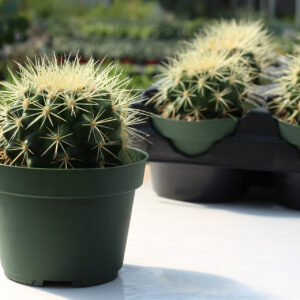
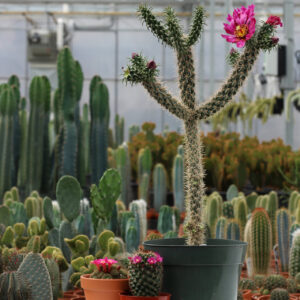
Espostoa lanata, commonly known as the “Old Man Cactus,” is native to the sunny, rocky regions of Peru and Ecuador. This cactus is prized for its woolly appearance, covered in fine white hairs that give it a soft, textured look. While it rarely flowers indoors, when it does, the blooms are tubular and white. This plant adds a charming touch to any cactus collection.
Here are some care tips:
Light:
Espostoa lanata prefers full sun exposure. Place it in a location where it can receive at least six hours of direct sunlight per day. Indoors, a south-facing window is ideal. Insufficient light may cause weak, elongated growth and poor flowering.
Watering
Like most cacti, Espostoa lanata requires moderate watering. Water thoroughly during the growing season (spring and summer), allowing the soil to dry completely between waterings. In winter, reduce watering significantly to let the plant rest. Good drainage is essential to prevent root rot.
Temperature and Humidity
This cactus tolerates temperature variations well but thrives in warm conditions during the growing season, ideally between 20°C and 30°C (68–86°F). In winter, it can handle cooler temperatures, down to about 5°C (41°F), as long as the soil stays dry. Espostoa lanata prefers a dry environment, and normal indoor humidity is usually sufficient.
Soil and Fertilization
Use a cactus or succulent mix that provides excellent drainage. You can add coarse sand or perlite to improve aeration and drainage. Fertilize once a month during the growing season with a balanced, low-nitrogen cactus fertilizer diluted to half strength.
Pruning and Propagation
Espostoa lanata generally does not require pruning, but you can remove any damaged or diseased parts as needed. To propagate, use stem cuttings: let them dry for a few days to allow the cut to callus before planting them in a well-draining mix.
Common Problems
The base of Espostoa lanata is particularly fragile, so careful watering is essential to prevent rot and fungal infections. Check the soil regularly to ensure it does not stay damp for too long. This cactus is non-toxic to humans and animals, but it should be kept out of reach to prevent injury from its sharp spines.