






Description
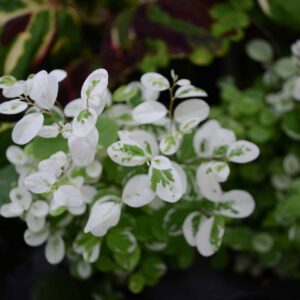
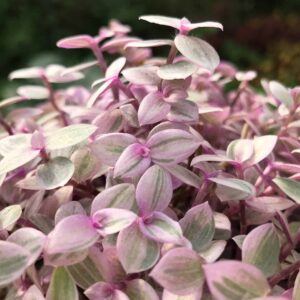
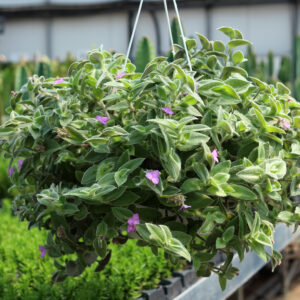
Cissus rhombifolia, commonly known as “grape ivy,” is a climbing plant native to the tropical and subtropical regions of South America, particularly Brazil and Argentina. Belonging to the Vitaceae family, it is prized for its attractive foliage and ease of care, making it an excellent choice for indoor spaces.
To keep your plant healthy and encourage vigorous growth, follow these care tips:
Light
It prefers moderate, indirect light. It also tolerates low-light environments, which makes it a great option for dimly lit interiors. Avoid direct sunlight, especially during the hottest hours of the day, as it can burn the delicate leaves.
Watering
Water regularly to keep the soil slightly moist, but not waterlogged. In summer, increase watering to compensate for faster evaporation. In winter, reduce watering as the plant enters a resting period and requires less moisture. Ensure the pot has proper drainage to prevent water accumulation.
Humidity
Cissus rhombifolia enjoys moderate humidity. In very dry environments—especially during winter—boost ambient humidity by misting the leaves regularly or using a humidifier. This helps prevent leaf dryness and browning.
Temperature
This plant thrives in moderate temperatures between 18 and 24°C (65–75°F). It is sensitive to temperatures below 10°C (50°F) and should be protected from cold drafts. In summer, it can be placed outdoors in a shaded location, but bring it back indoors before temperatures drop.
Soil
Use a well-draining, nutrient-rich potting mix. A universal indoor soil enriched with perlite or coarse sand works well. Proper drainage is essential to prevent root rot.
Fertilization
Feed once a month during the active growing season (spring and summer) with a balanced liquid fertilizer. In fall and winter, reduce feeding to once every six to eight weeks.
Pruning and Repotting
Prune regularly to maintain a compact shape and encourage fresh growth. Pruning is best done in early spring. Repot every two to three years, or when the plant outgrows its container, choosing a slightly larger pot with drainage holes.
Common Problems
Watch for pests such as scale insects, aphids, and spider mites. Inspect the plant often and treat infestations promptly using natural insecticides or soap-based solutions. Yellowing leaves may indicate overwatering or nutrient deficiencies.
By following these care guidelines, your Cissus rhombifolia will thrive and bring elegant greenery into your home. Thanks to its attractive foliage and low maintenance needs, it is an ideal plant for indoor gardeners of all experience levels.