







Description
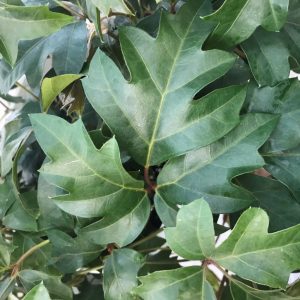
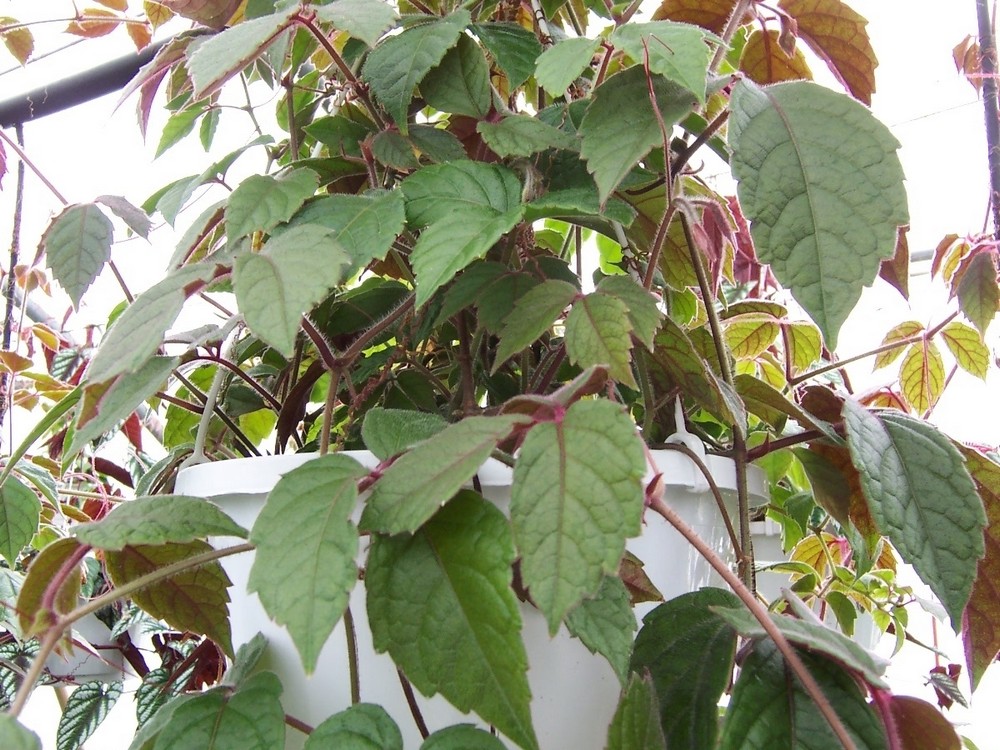
Cissus adenopoda, also known as the African Vine, is a climbing plant native to tropical regions of Africa. Belonging to the Vitaceae family, it is appreciated for its lush foliage and vigorous stems. Thanks to its robust nature and adaptability to a wide range of environments, it is commonly grown as an ornamental plant.
Here are some care tips to keep your plant healthy and thriving:
Light
This plant prefers bright to medium indirect light. It also tolerates partial shade, making it suitable for various indoor settings. Avoid harsh midday direct sunlight, which can scorch the leaves.
Watering
Water regularly to keep the soil consistently moist but not waterlogged. During summer, water more frequently to compensate for faster evaporation caused by heat. In winter, reduce watering as the plant enters a resting phase and requires less moisture. Ensure the pot has drainage holes to prevent excess water buildup.
Humidity
Cissus adenopoda enjoys moderate to high humidity. In dry environments—especially during winter—help increase humidity around the plant by misting the foliage regularly or using a humidifier. This prevents leaf drying and maintains a healthy appearance.
Temperature
As a tropical plant, it thrives in warm temperatures between 18–26°C (65–79°F). It is sensitive to temperatures below 10°C (50°F) and should be protected from cold drafts. In summer, it can be placed outdoors in a shaded area, but bring it back inside before temperatures drop.
Soil
Use a well-draining, nutrient-rich potting mix. A universal indoor soil enriched with perlite or coarse sand works well. Proper drainage is essential to prevent root rot.
Fertilization
Feed once a month during the growing season (spring and summer) with a balanced liquid fertilizer. During fall and winter, reduce fertilization to once every 6–8 weeks as the plant’s growth slows down.
Pruning and Repotting
Prune regularly to maintain a compact shape and encourage new growth. The best time to prune is early spring. Repot every 2–3 years or whenever the roots outgrow the pot—choose a slightly larger pot with proper drainage.
Common Problems
Common issues include infestations of mealybugs, aphids, and spider mites. Inspect the plant regularly and treat pests promptly with natural insecticides or soapy water solutions. Yellowing leaves may indicate overwatering or nutrient deficiencies, so adjust care accordingly.
Thanks to its easy care and attractive foliage, Cissus adenopoda is a perfect choice for plant lovers of all experience levels.