






Description
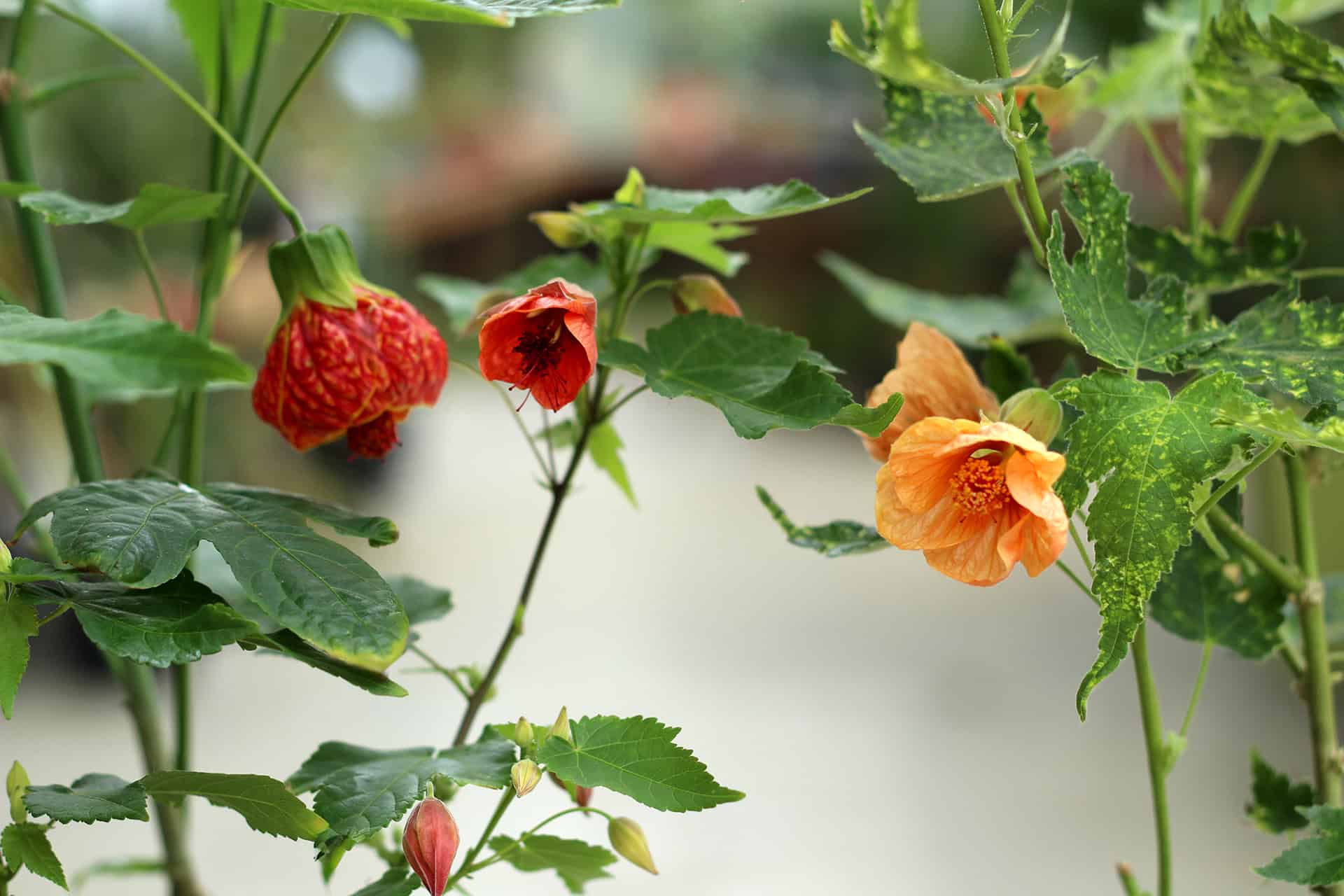
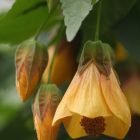
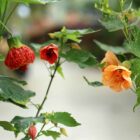
Abutilon, often known as “Flowering Maple” or “Abutilon,” is a genus of tropical and subtropical ornamental plants valued for its vibrant flowers and attractive foliage. Native to the tropical and subtropical regions of the Americas, Africa, and Asia, Abutilon is commonly grown as a houseplant or as a decorative shrub in gardens.
Here are some care tips:
Light:
Abutilon prefers bright but indirect light. Outdoors, it can tolerate some direct sunlight, but it’s generally best to protect it from the intense afternoon sun, especially in very hot climates. Indoors, place it near a bright window or in a spot that receives plenty of indirect light.
Watering
Water regularly to keep the soil slightly moist, but avoid waterlogging. In summer, water about once or twice a week, while in winter, reduce watering to about once every two weeks. Make sure the pot or container has good drainage to prevent root rot.
Temperature and Humidity
Abutilon prefers moderate to warm temperatures between 18–24°C (65–75°F). It doesn’t tolerate temperatures below 10°C (50°F) and should be protected from the cold. It also enjoys relatively high humidity, so regular misting or using a humidifier can be beneficial, especially in dry indoor conditions during winter.
Soil and Fertilization
Use a rich, well-draining potting mix—such as indoor plant soil blended with compost or perlite for improved drainage. Fertilize every two to four weeks during the growing season (spring and summer) with a balanced fertilizer diluted to half strength. In autumn and winter, reduce or stop fertilizing to allow the plant to rest.
Pruning and Propagation
This plant can be pruned to control its shape and encourage denser growth. Pruning is best done in spring or after flowering. For propagation, use stem cuttings about 10–15 cm long. Remove the lower leaves and plant the cutting in moist soil until roots form.
Common Problems
Abutilon can be affected by pests such as aphids, mealybugs, and spider mites. Inspect the plant regularly and treat infestations with suitable insecticidal solutions or natural methods like neem oil. Yellowing or dropping leaves can indicate overwatering, underwatering, or lack of light—adjust care accordingly.