




Description
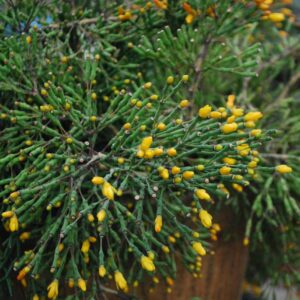
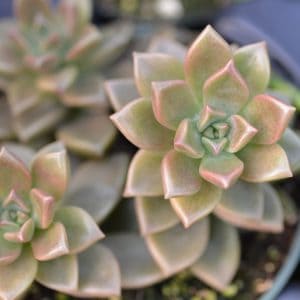
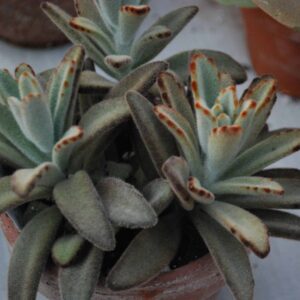
Senecio serpens, also known as Blue Chalk Stick or Chalk Plant, is a succulent native to the arid and semi-arid regions of South Africa, particularly in the Western Cape Province. This member of the Asteraceae family is prized for its fleshy, cylindrical stems and decorative blue-silver foliage.
Here are some care tips:
Light
Senecio serpens prefers bright, direct sunlight. Ensure it receives at least 6 hours of direct light per day for optimal growth and to maintain its vibrant leaf color.
Watering
Like all succulents, Senecio serpens requires minimal watering. Water moderately during the growing season (spring and summer), allowing the soil to dry out completely between waterings. In autumn and winter, reduce watering and only water when the soil is fully dry.
Soil
Use a well-draining mix, ideally one formulated for succulents or cacti. Good drainage is essential to prevent root rot. You can add sand or perlite to improve aeration and drainage.
Temperature
Senecio serpens thrives in temperatures between 20°C and 30°C (68–86°F) during the growing season. In winter, it can tolerate cooler conditions down to about 5°C (41°F), but it should be protected from frost.
Humidity
This succulent prefers dry conditions. Avoid high humidity, which can lead to fungal diseases. Ensure good air circulation around the plant.
Fertilization
Feed lightly with a succulent-specific fertilizer once a month during the growing season. Do not fertilize in fall or winter when growth slows down.
Pruning and Repotting
Trim dead or damaged stems to encourage healthy growth. Repot every two to three years in spring, using a slightly larger pot with excellent drainage.
Precautions
Avoid overwatering, as this is the most common cause of root rot. Ensure the pot has drainage holes and that the soil dries completely between waterings. Watch for fungal issues caused by excess moisture, and check for mealybugs or aphids. In case of infestation, treat with appropriate insecticides or natural remedies.