


Description
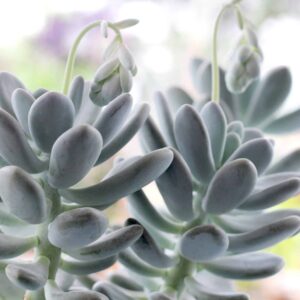
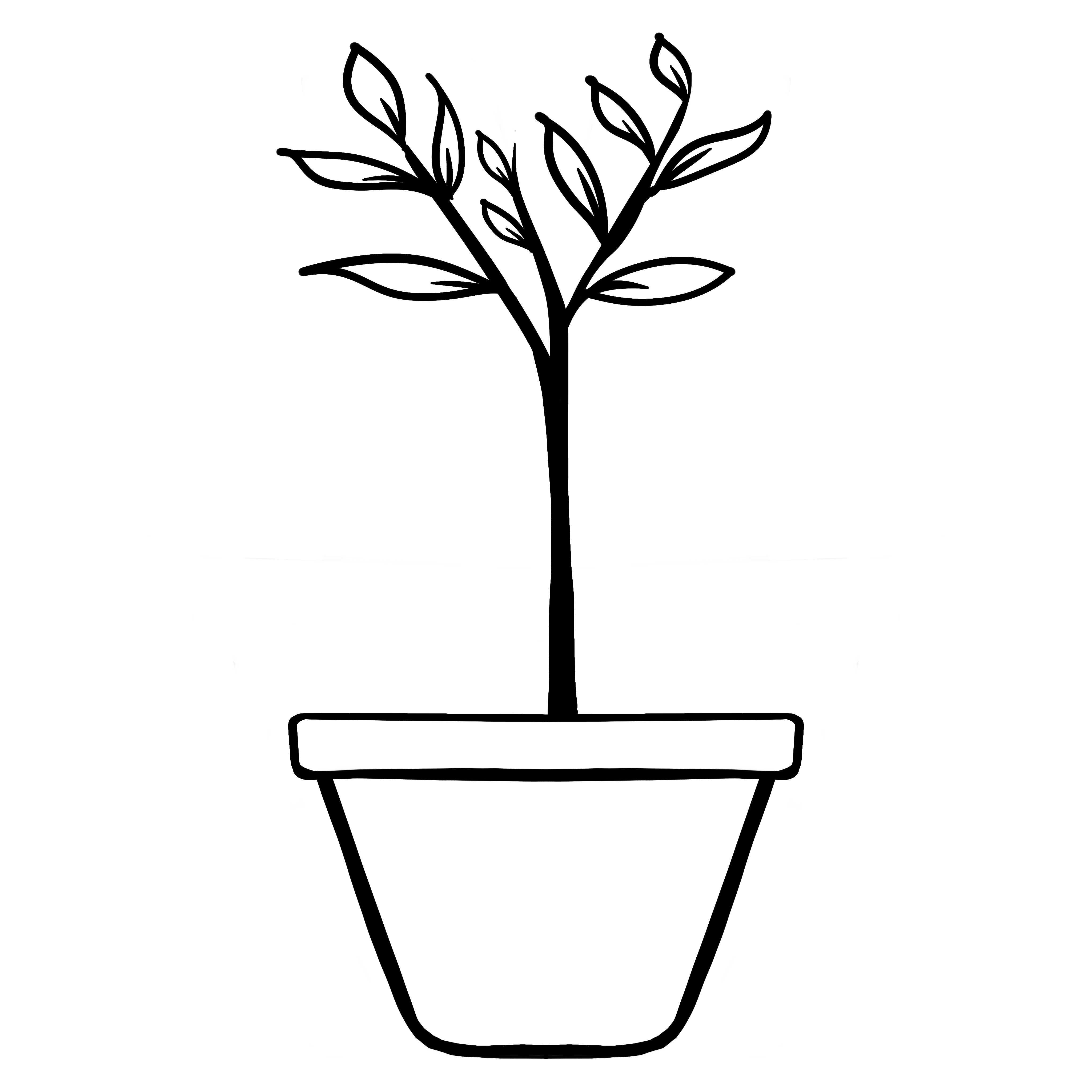
Plectranthus ernstii is a succulent plant native to South Africa, known for its decorative foliage and its distinctive swollen stem, which gives it a natural bonsai-like appearance.
Here are some tips to help you care for this beautiful plant:
Light
Plectranthus ernstii prefers bright, indirect light. Place it near an east- or west-facing window where it can receive filtered sunlight. It can tolerate a bit of direct sun, but avoid harsh midday sun, especially in summer, to prevent leaf burn.
Temperature
This plant thrives in moderate to warm temperatures between 15°C and 25°C (59–77°F). It can handle slightly cooler conditions but should not be exposed to temperatures below 10°C (50°F). During winter, keep it in a warm, sheltered location.
Watering
Water moderately during the active growing season (spring and summer), allowing the soil to dry slightly between waterings. In autumn and winter, reduce watering to prevent root rot. Plectranthus ernstii is drought-tolerant, so it’s better to underwater than overwater.
Soil
Use a well-draining soil mix, such as a cactus or succulent blend, to prevent excess moisture. A mix of potting soil with sand or perlite also works well to improve drainage.
Fertilization
Feed once a month during the growing season with a balanced, diluted fertilizer. Reduce or stop fertilizing in autumn and winter when the plant is resting.
Repotting
Repot every 2 to 3 years in spring, if necessary, to refresh the soil and allow room for root growth. Choose a pot that’s slightly larger than the previous one and make sure it has good drainage holes.
Pruning
Prune regularly to maintain a compact shape and encourage dense growth. Trimming after flowering promotes new shoots. Remove any dead or damaged leaves and stems to keep the plant healthy.
Propagation
Plectranthus ernstii propagates easily from stem cuttings. Take healthy cuttings, allow them to dry slightly, then plant them in a moist, well-draining substrate. Roots should develop within a few weeks.
Entretien général
Watch for pests such as aphids or mealybugs, and treat them promptly if needed. Avoid overwatering to prevent root rot.
Precautions
Plectranthus ernstii is non-toxic to humans and pets, making it a safe and attractive choice for homes with children and animals.