





Description
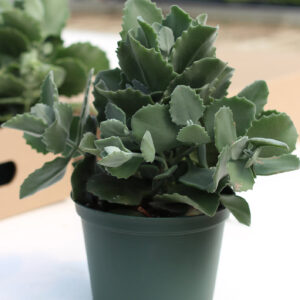
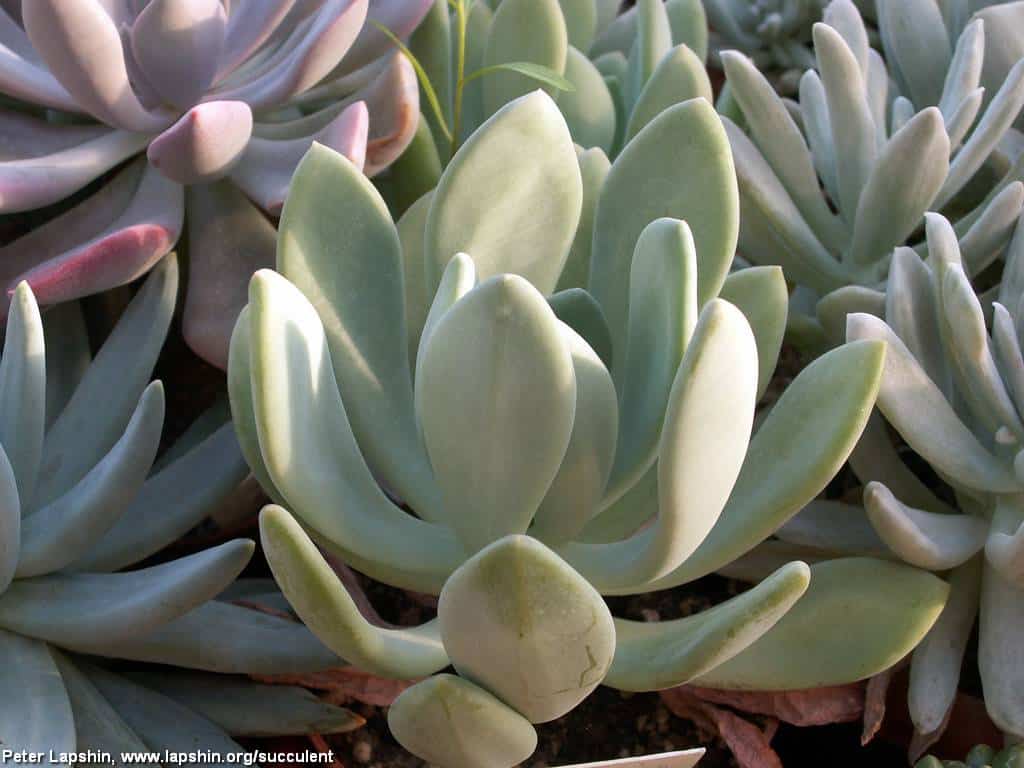
The Pachyveria clavata is a hybrid succulent, resulting from a cross between genera such as Pachyphytum and Echeveria. This plant is admired for its fleshy, colorful rosettes and easy-care nature, making it a favorite among succulent collectors.
Here are some tips to help you care for this beautiful plant:
Light
Pachyveria clavata prefers bright, indirect light. Place it near a window where it can receive several hours of filtered sunlight each day. Avoid direct midday sun, especially in summer, as it can scorch the delicate leaves.
Temperature
This plant thrives in moderate to warm temperatures, ideally between 18°C and 25°C (64°F–77°F). It tolerates summer heat well but should be protected from temperatures below 10°C (50°F). In winter, keep it indoors away from cold drafts.
Watering
Water moderately during the growing season (spring and summer), allowing the soil to dry out completely between waterings. Reduce watering in fall and winter when the plant is dormant. Make sure the pot has good drainage to prevent root rot.
Soil
Use a well-draining cactus or succulent mix, or combine standard potting soil with sand or perlite to improve drainage and prevent excess moisture around the roots.
Fertilization
Feed lightly with a balanced, diluted liquid fertilizer every 4 to 6 weeks during spring and summer. Avoid fertilizing in autumn and winter when the plant is less active.
Repotting
Repot every 2 to 3 years in spring if the plant outgrows its container. Choose a slightly larger pot and refresh the soil with a fresh, well-draining mix.
Pruning
Pachyveria clavata rarely needs pruning, but you can pinch back new growth to encourage a compact, bushier shape.
Propagation
This succulent can be easily propagated from leaf or stem cuttings. Allow cuttings to callus over for a few days before planting them in dry, well-draining soil.
Entretien général
Keep an eye out for common pests such as mealybugs and spider mites. Treat infestations promptly with a suitable insecticide or by wiping affected areas with a cloth dipped in alcohol. Remove any dead or damaged leaves to maintain plant health.
Precautions
While Pachyveria clavata is non-toxic to humans, it’s best to keep it out of reach of children and pets to avoid accidental ingestion or damage to the plant.