





Description
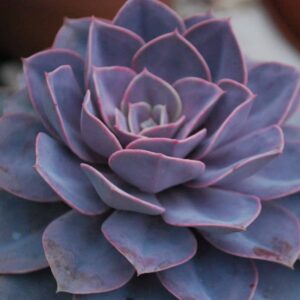
Pachyveria ‘Bea’ commonly known simply as Pachyveria, this popular hybrid succulent is the result of a cross between the genera Pachyphytum and Echeveria. Native to the arid regions of Mexico and Central America, it is highly prized for its plump, compact rosettes in shades of blue-green and soft pink, bringing a touch of elegance and tranquility to any home or garden.
Here are some care tips to keep your plant healthy:
Light
Pachyveria ‘Bea’ prefers bright, indirect light. It can tolerate some direct sun in the morning or late afternoon, but avoid harsh midday sunlight, which can scorch its delicate leaves. A window facing east or west is ideal.
Watering
Like most succulents, it requires moderate watering. Water only when the soil is completely dry, roughly every 2 to 4 weeks. Ensure the pot has drainage holes to prevent standing water, which can cause root rot. In winter, reduce watering frequency as the plant enters dormancy.
Humidity
This plant thrives in average household humidity. It does not require high humidity and can suffer in overly damp environments. Provide good air circulation to prevent fungal issues or mold.
Temperature
Orostachys iwarenge thrives in temperatures between 15°C and 26°C (59–79°F). It can tolerate slightly cooler temperatures but should be protected from frost and cold drafts, which can damage its leaves.
Soil
A well-draining soil mix is essential. Use a cactus or succulent potting mix, or make your own by combining standard potting soil with coarse sand or perlite to improve drainage.
Fertilization
Fertilize your plant once a month during the growing season (spring and summer) with a balanced succulent fertilizer, diluted to half strength. Stop fertilizing in fall and winter, as the plant becomes dormant.
Pruning
Pruning is rarely necessary. You can remove dead or damaged leaves to keep the plant tidy and to promote better airflow around the rosette.
Common Problems
Watch for signs of overwatering, such as soft or translucent leaves, or insufficient light, indicated by pale or discolored foliage. Mealybugs and aphids are the most common pests and can be controlled with a suitable treatment, such as a biological insecticide or by wiping the leaves with a cloth dipped in alcohol.
By following these care tips, your Pachyveria ‘Bea’ will thrive and bring beauty to your space with its colorful, sculptural rosettes.