





Description
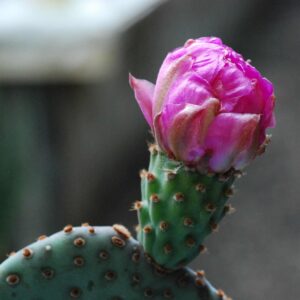
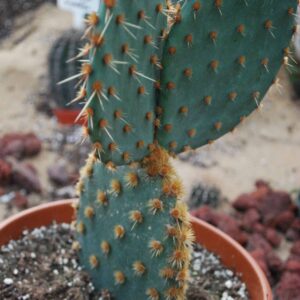
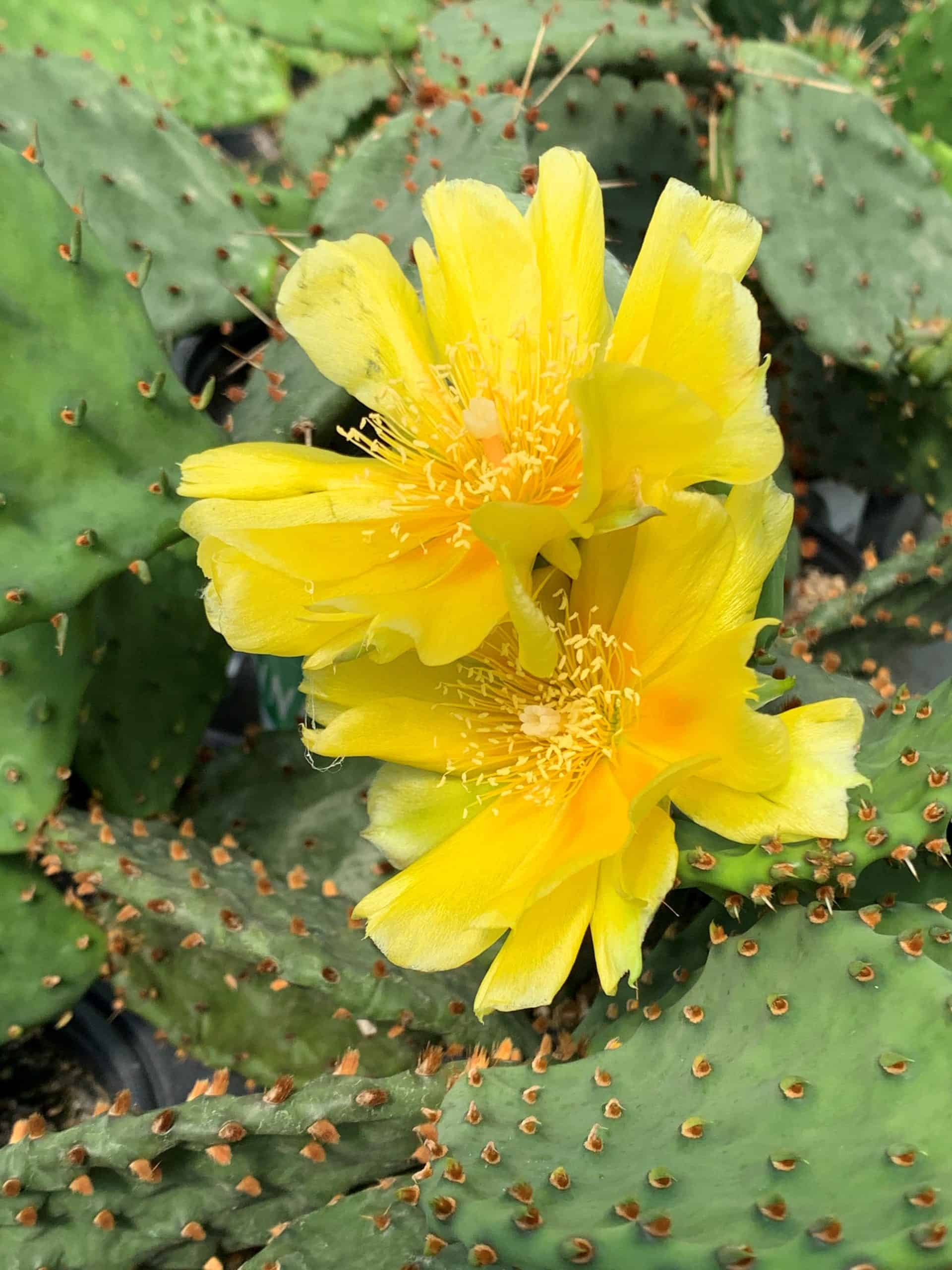
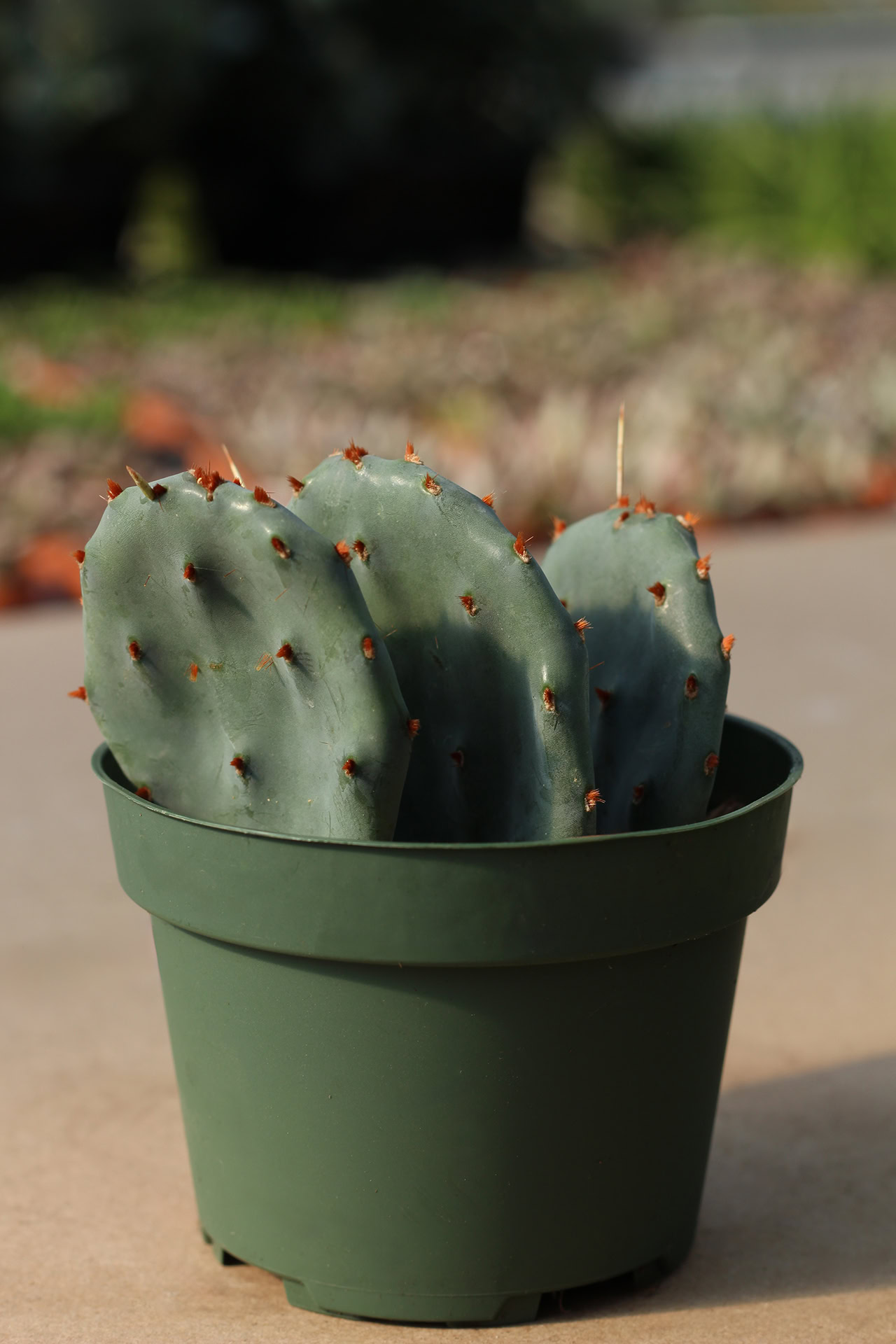
Opuntia humifusa, also known as the Eastern Prickly Pear, is a succulent plant native to the eastern regions of North America, including the United States and Canada. It is appreciated for its flat, paddle-shaped segments, sturdy spines, and large yellow or pink flowers that add a touch of color and character to any dry garden or desert landscape.
Here are some care tips to keep your plant healthy:
Light
Opuntia humifusa prefers full sun exposure. Place it in a bright location where it can receive at least 6 hours of direct sunlight per day. A south- or southwest-facing window is ideal. It can tolerate partial shade, but it will grow best with direct sunlight.
Watering
Watering
Like most cacti, it is highly drought-tolerant. Water moderately, allowing the soil to dry out completely between waterings. Generally, watering every 2 to 3 weeks during the growing season (spring and summer) is sufficient. In autumn and winter, reduce watering drastically or stop entirely, as the plant goes dormant.
Humidity
This cactus prefers dry environments and does not require high humidity. Ensure good air circulation around the plant to prevent mold or fungal issues.
Temperature
Opuntia humifusa tolerates hot temperatures up to 40°C (104°F) and is also cold-hardy, surviving winter temperatures as low as -20°C (-4°F). This makes it suitable for much colder climates than many other Opuntia species.
Soil
Use a well-draining cactus and succulent mix, or prepare your own by adding coarse sand or perlite to regular potting soil to improve drainage. Always make sure the pot has drainage holes to prevent water accumulation around the roots.
Fertilization
Feed your Opuntia humifusa lightly with a balanced cactus fertilizer once a month in spring and summer. Avoid fertilizing in fall and winter, when the plant is resting.
Pruning
This cactus usually does not require pruning, but you can gently remove any damaged or unhealthy segments using clean, disinfected tools to maintain a healthy appearance.
Common Problems
Watch for root rot, often caused by overwatering. Mealybugs and aphids can also appear occasionally. Treat them using an appropriate insecticide or a cloth dipped in rubbing alcohol to wipe them off.