




Description
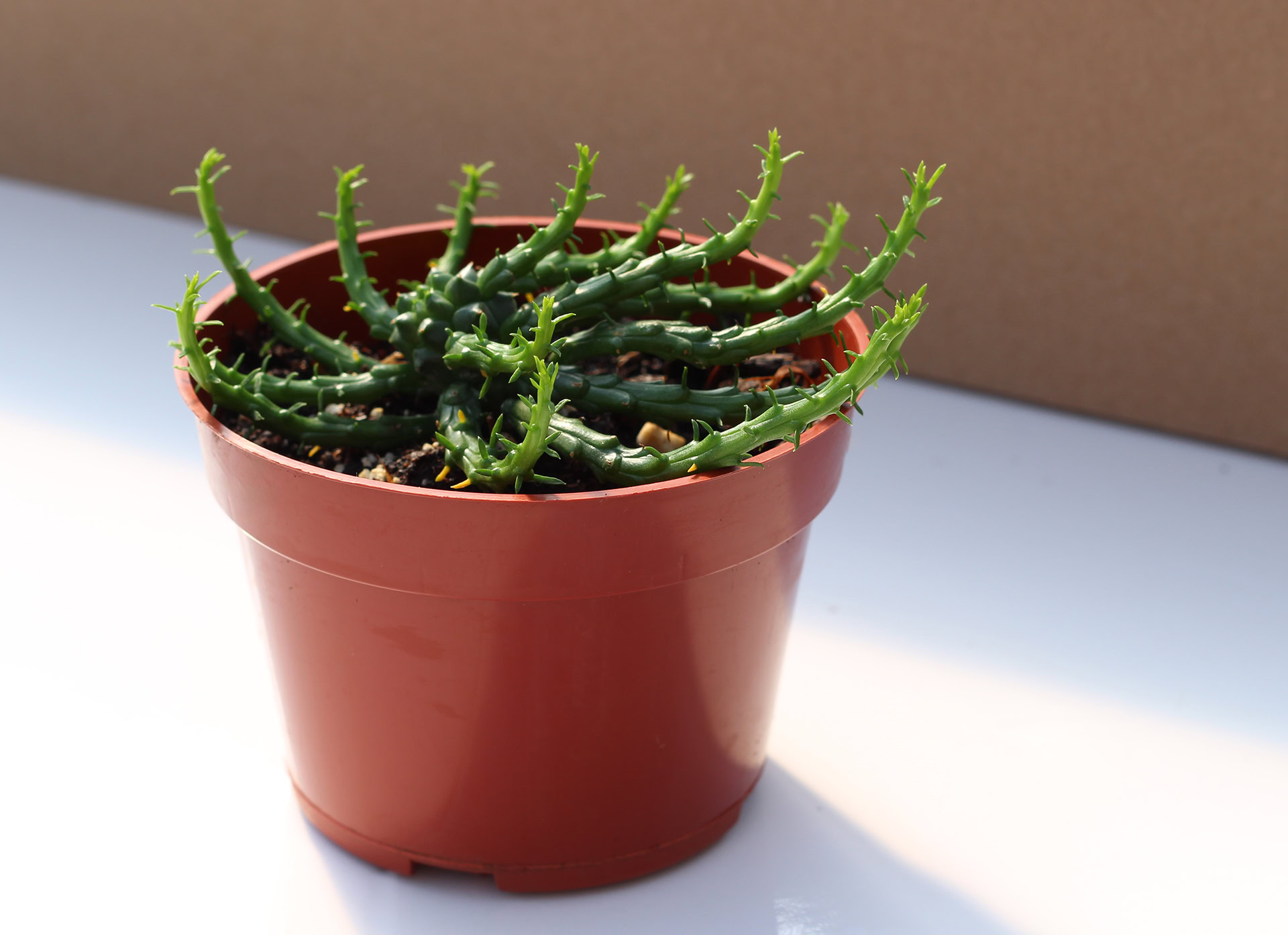
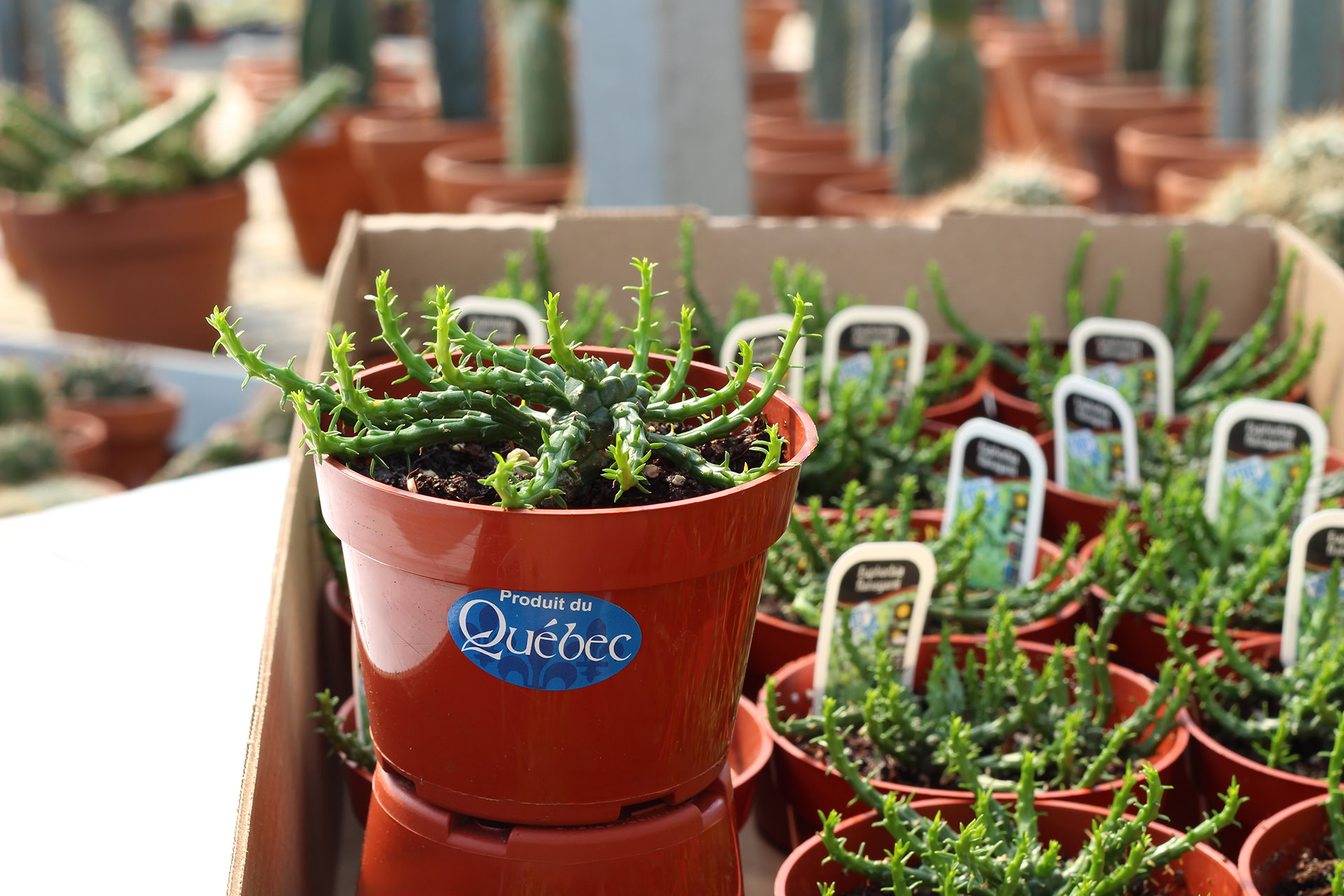
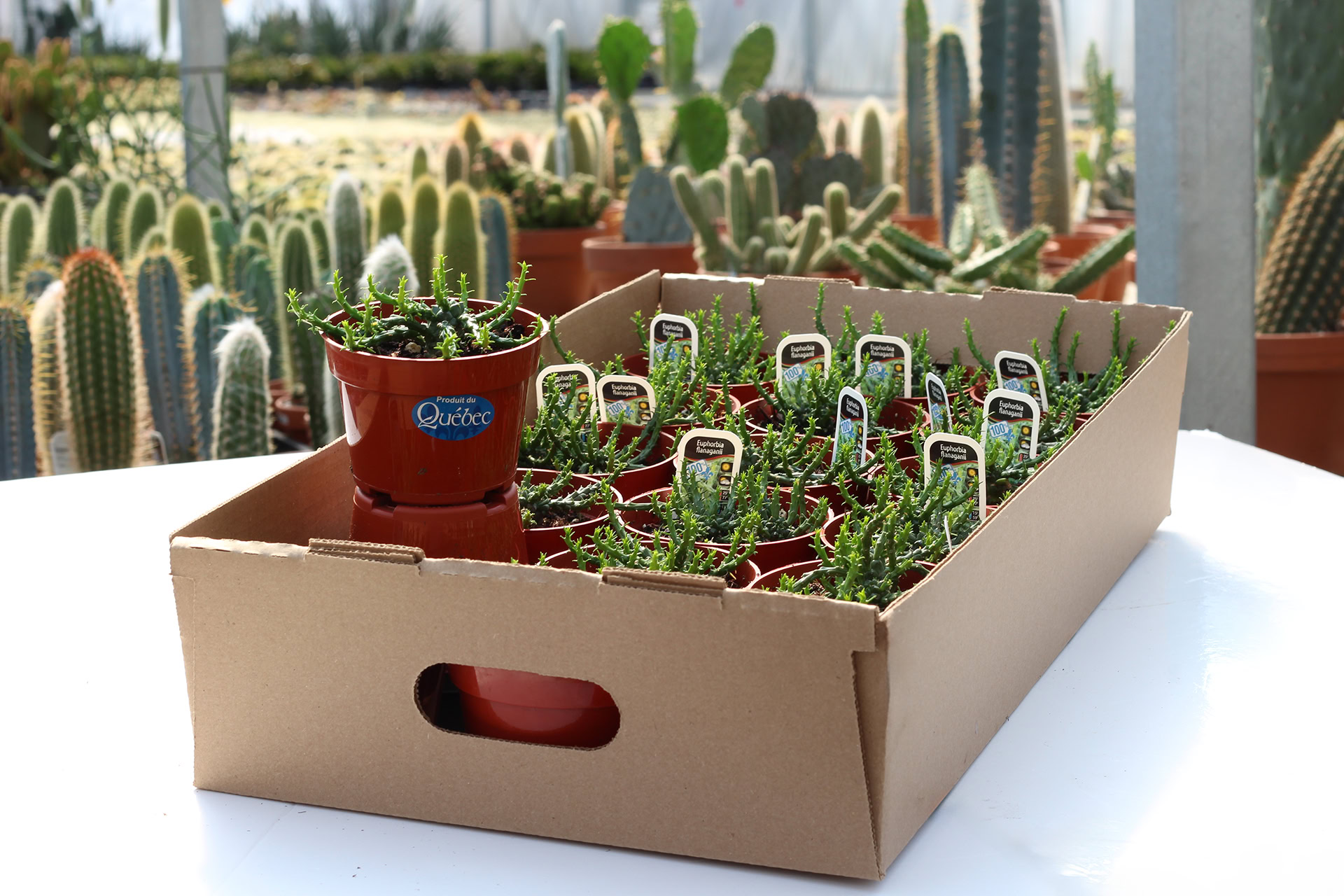
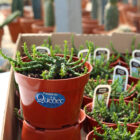
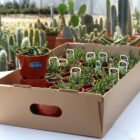
Euphorbia flanaganii, with its spiral stems resembling tentacles, is commonly known as the Octopus Plant. This succulent belongs to the Euphorbiaceae family and is native to the arid regions of South Africa. It is a favorite among euphorbia collectors for its small pink or yellow cyathia (flowers) that appear at the ends of its stems. With moderate growth and a mature size of around 30 cm (12 inches), it makes a great companion plant in mixed arrangements.
To keep your Euphorbia flanaganii healthy and thriving, here are some care tips:
Light
Euphorbia flanaganii prefers full sun exposure. Place it in a spot where it can receive at least 6 hours of direct sunlight per day to ensure healthy growth and abundant flowering. Rotate the plant once a week to prevent it from leaning toward the light source and to maintain a balanced shape.
Watering
Water moderately during the growing season (spring and summer). Allow the soil to dry out completely between waterings. In winter, reduce watering significantly, as the plant enters dormancy and requires little moisture. Excess water can easily cause root rot, as the plant is very sensitive to overwatering.
Humidity
This euphorbia prefers low to moderate humidity levels. Avoid placing it in humid or poorly ventilated areas. Good air circulation helps prevent fungal diseases and rot issues.
Temperature
Euphorbia flanaganii thrives in warm conditions, ideally between 18°C and 28°C (64–82°F), and can tolerate temperatures up to 35°C (95°F). In winter, it can handle cooler weather but should not be exposed to temperatures below 5°C (41°F), as this may damage the plant.
Soil
Use a well-draining soil mix designed for cacti and succulents. You can add coarse sand or perlite to further improve drainage and prevent water retention.
Fertilization
Feed your Euphorbia flanaganii once a month during the growing season (spring and summer) with a balanced cactus fertilizer diluted to half strength. Avoid fertilizing in autumn and winter, when the plant is dormant.
Pruning and Repotting
This plant generally does not require pruning, but you may remove spent flower stems or dead growth as needed. Repot your Euphorbia flanaganii every 2 to 3 years, or when it outgrows its pot. Use a slightly larger container with adequate drainage holes.
Common Problems
The main issues affecting Euphorbia flanaganii are root rot caused by overwatering and infestations of mealybugs or spider mites. Inspect your plant regularly and treat promptly if pests appear.
Be aware that Euphorbia flanaganii is toxic to humans and pets. Its milky sap is highly irritating to the skin and stomach, so keep it out of reach of children and animals.