






Description
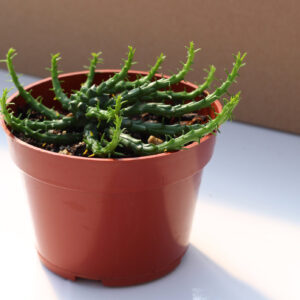
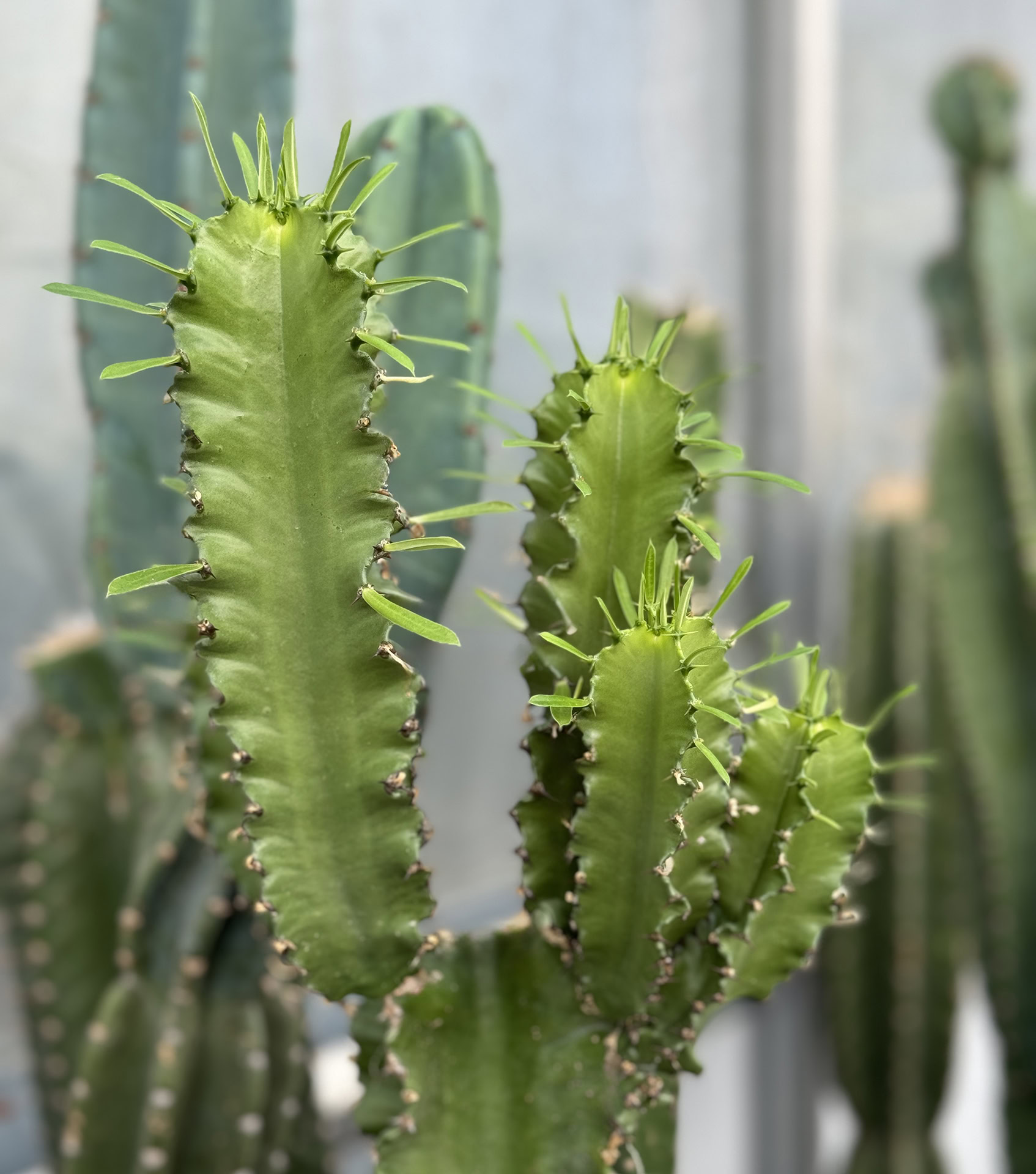
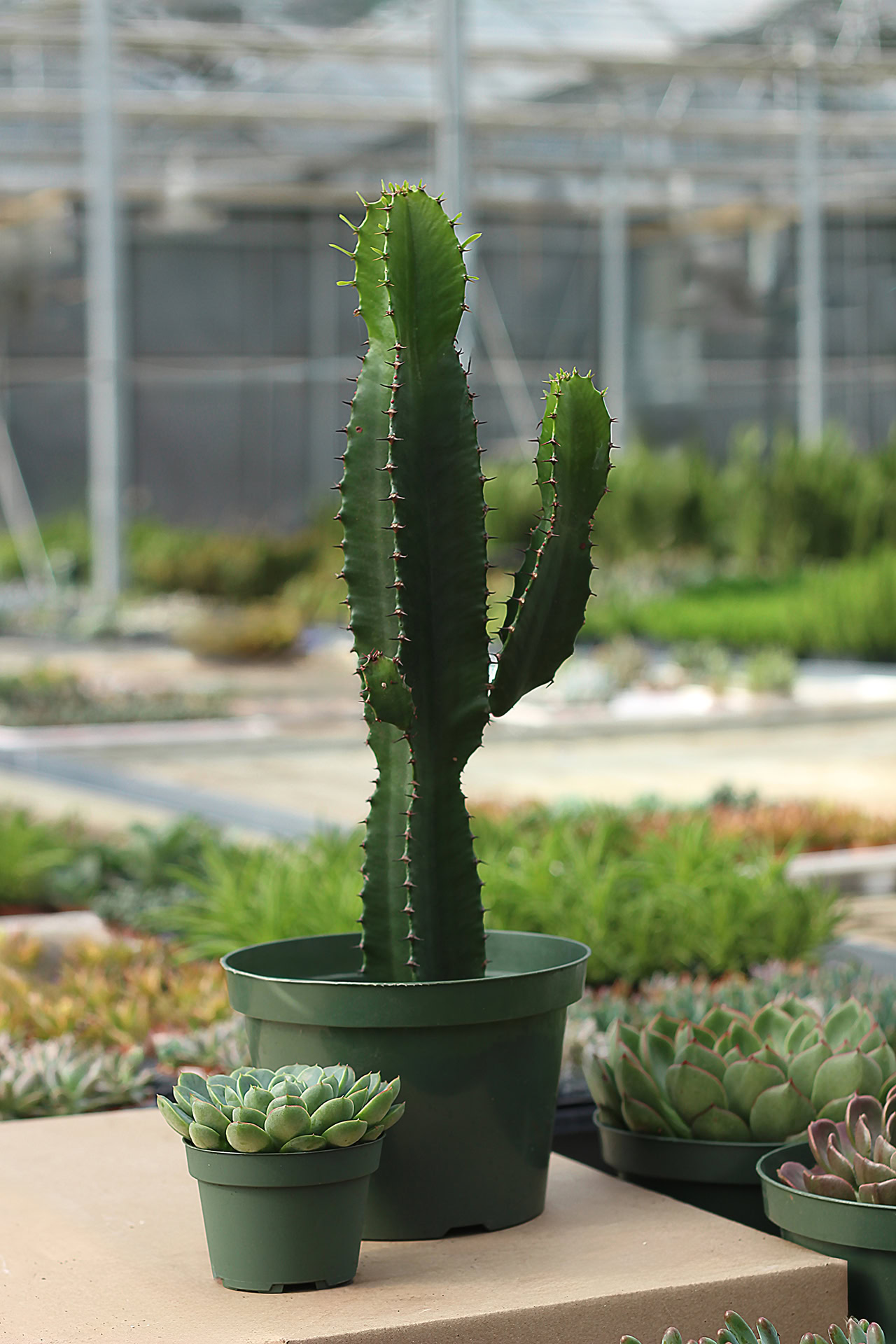
Euphorbia acrurensis, commonly known as the Candelabra Tree, is a perennial plant belonging to the Euphorbiaceae family. Native to Africa, this striking species is admired for its majestic appearance and ability to withstand harsh climates. It is commonly grown both outdoors in gardens and indoors as a houseplant, thanks to its low maintenance and architectural form.
Light
Euphorbia acrurensis thrives in full sun to partial shade. It performs best in direct sunlight, which enhances the color intensity of its stems and leaves. In partial shade, the plant still grows well but may display slightly less vibrant colors.
Temperature and Humidity
This plant is robust and adaptable, tolerating a wide range of temperatures, though it prefers warm to temperate climates. It can withstand cold down to about -2°C (28°F) and tolerates summer heat. Euphorbia acrurensis prefers a moderately dry environment, reflecting its desert origins.
Watering
Allow the soil to dry out completely between waterings. Water moderately, especially during hot, dry periods. In winter, reduce watering significantly, as the plant enters a dormant phase. Avoid overwatering, as this can lead to root rot—make sure the soil has excellent drainage.
Soil
Use a well-draining, light, and low-organic soil mix. A blend of garden soil with sand or perlite is ideal to improve drainage. Avoid heavy, clay-rich soils that retain too much moisture.
Fertilization
Feed in early spring with a balanced cactus or succulent fertilizer to promote growth. An annual application of compost or light organic matter can also be beneficial. Avoid overfertilizing, as excessive nutrients can harm the plant’s health.
Pruning and Support
Prune lightly as needed to maintain a compact shape and encourage new growth. Remove dead or damaged stems in spring. Occasional pruning also helps prevent the plant from spreading too widely, maintaining a tidy, structured appearance.
Common Problems
Euphorbia acrurensis is generally resistant to pests and diseases, but may suffer from root rot if the soil remains too wet. Watch for early signs and adjust watering accordingly. Mealybugs and aphids can occasionally appear; treat infestations promptly with natural insecticides or insecticidal soap.