






Description
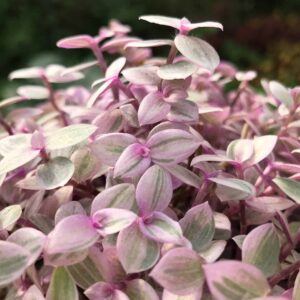
Cyanotis somaliensis, also known as Kitten Ears, belongs to the Commelinaceae family and originates from the dry deserts and scrublands of northern Somalia, East Africa. This trailing plant is prized for its soft, fuzzy foliage covered with fine white hairs and its delicate purple flowers with bright yellow stamens. It is often grown as an ornamental houseplant or in warm outdoor gardens, as it is highly drought-tolerant.
Here are some care tips:
Light
Cyanotis somaliensis prefers bright, indirect light. Indoors, place it near a sunny window but avoid intense direct sunlight, which can scorch its leaves. Outdoors, it can tolerate partial sun but thrives best in filtered light or light shade.
Watering
Water moderately during the growing season (spring and summer), keeping the soil lightly moist but never soggy. In autumn and winter, reduce watering and allow the top layer of soil to dry slightly between waterings. Avoid waterlogging, as stagnant moisture can cause root rot.
Soil
Use a rich, well-draining potting mix—a quality indoor plant soil enriched with compost or peat works well. Ensure the pot has drainage holes to prevent standing water.
Temperature
This plant thrives in temperatures between 15°C and 29°C (59°F–84°F) during the growing season. It can tolerate slightly cooler conditions but should never be exposed to temperatures below -5°C (23°F).
Humidity
Cyanotis somaliensis prefers moderate to high humidity. Indoors, it benefits from added humidity, especially in winter when the air is dry. Increase moisture by using a humidifier or by placing the pot on a pebble tray with water.
Fertilization
Feed every 4–6 weeks during the growing season with a balanced houseplant fertilizer, or one slightly higher in potassium to encourage flowering. Do not fertilize in autumn and winter when the plant is dormant
Pruning and Repotting
Prune regularly to control growth and maintain a compact shape. Remove dead or damaged stems. Repot every 2–3 years or when the plant outgrows its container, using a slightly larger pot and fresh, well-draining soil.
Precautions
Avoid overwatering, as excess moisture may lead to root rot. Always ensure good drainage and let the soil dry slightly between waterings. Watch for fungal issues and pests such as aphids, mealybugs, and thrips. Treat infestations promptly with suitable insecticidal or natural remedies.