






Description
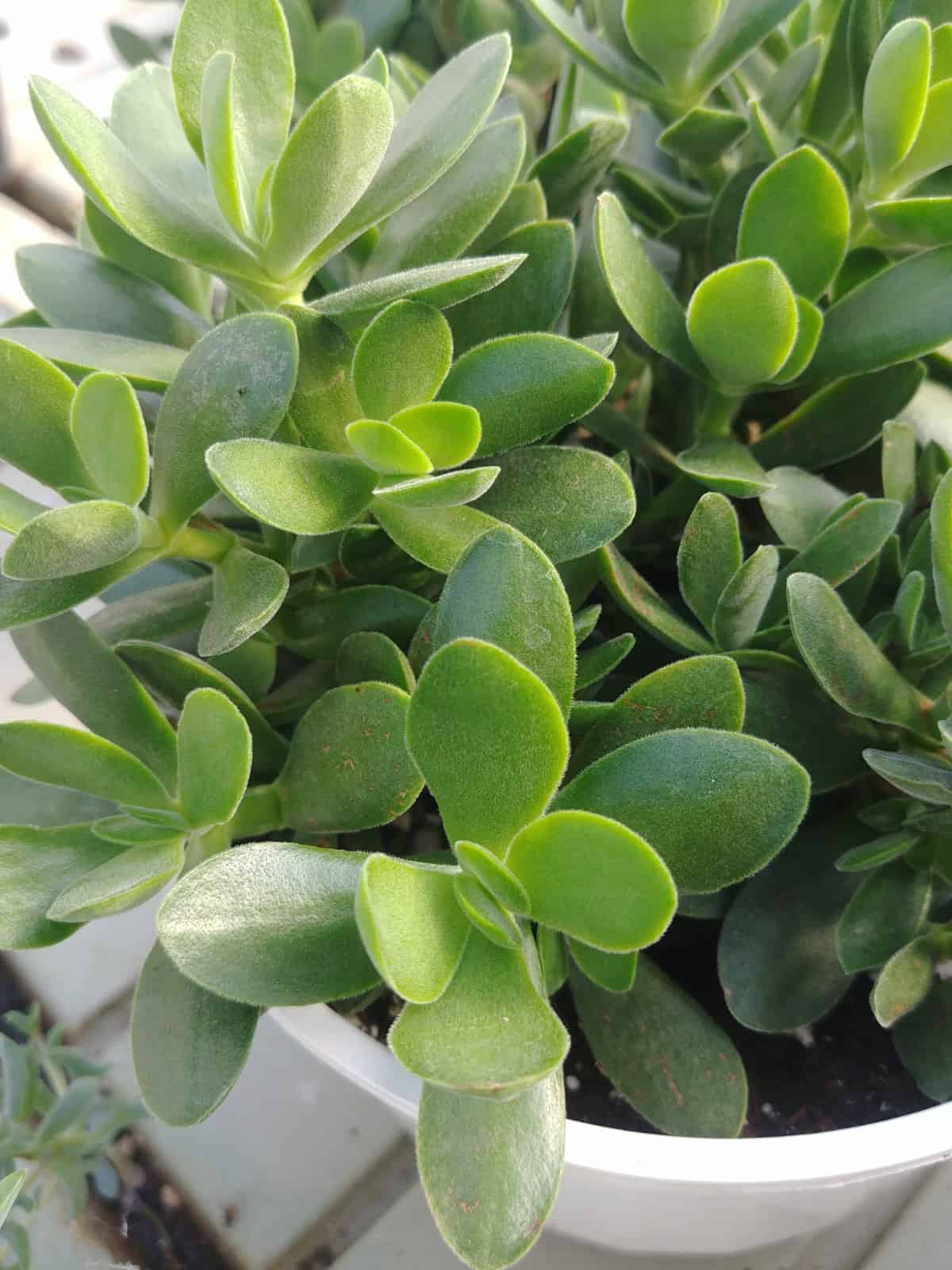
Crassula cephalophora is a succulent native to the semi-arid regions of South Africa. Its name, “cephalophora,” comes from Latin and means “head-bearing,” referring to the plant’s unique rosette shape and compact flower clusters. It is easily recognized by its thick, fleshy leaves that grow densely, creating an attractive, full appearance.
This succulent is very easy to care for, making it ideal for beginners and succulent enthusiasts alike. Here are a few tips to help your plant thrive:
Light
It prefers bright, direct light but can tolerate indirect light. Place it near a well-lit window to maximize light exposure.
Watering
Like most succulents, it requires very little water. Water moderately in summer—about once every two weeks—allowing the soil to dry out completely between waterings. In winter, reduce watering to about once a month.
Soil
Use a well-draining soil mix specifically formulated for succulents and cacti. Proper drainage is crucial to prevent root rot.
Temperature
This plant loves warm temperatures and does not tolerate frost. Keep it in an environment where temperatures do not drop below 10°C (50°F).
Fertilization
Feed once a month during the growing season (spring and summer) with a balanced, diluted succulent fertilizer. Avoid fertilizing in fall and winter.
Repotting
Repot the plant every two to three years to refresh the soil and provide more space for its roots. Do this preferably in early spring.
Precautions
Crassula cephalophora is non-toxic, making it safe for homes with children and pets. However, handle it gently to avoid damaging its delicate leaves.