






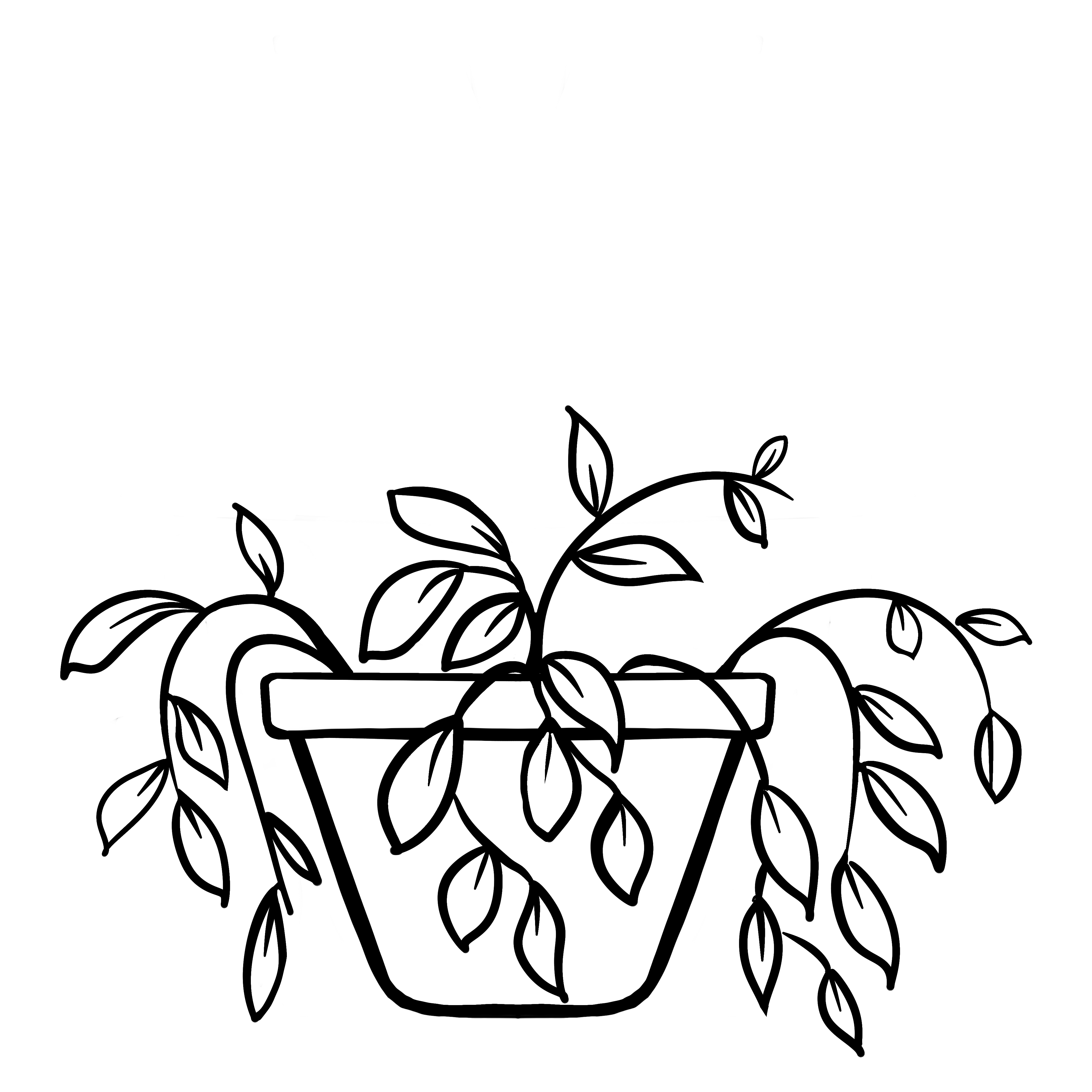
Description
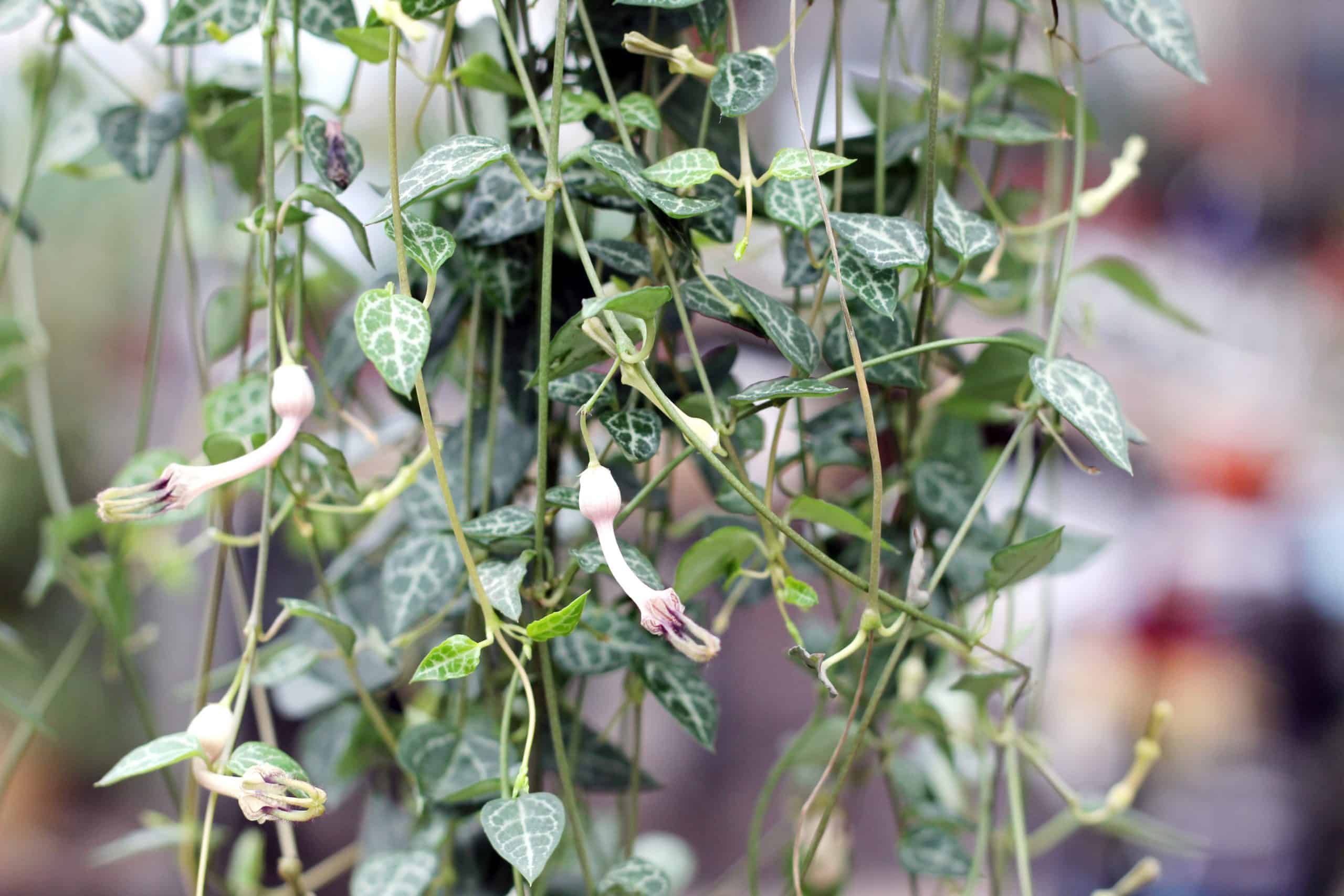
Ceropegia woodii, commonly known as String of Hearts or Rosary Vine, is a succulent native to South Africa. It is admired for its delicate heart-shaped leaves, slender trailing stems, and charming tubular flowers. This popular houseplant is ideal for hanging baskets or shelves, where its long vines can gracefully cascade.
Here are some care tips:
Light:
Ceropegia woodii prefers bright, indirect light. It can tolerate a few hours of direct sun, especially in the morning or late afternoon. Insufficient light may cause the stems to become leggy and reduce flowering.
Watering
Like most succulents, Ceropegia woodii requires moderate watering. Water when the soil feels dry to the touch, making sure not to let water sit in the pot. In winter, reduce watering to allow the plant to rest. Good drainage is essential to prevent root rot.
Temperature and Humidity
This plant thrives in moderate temperatures, ideally between 18°C and 24°C (65°F–75°F). It can tolerate cooler conditions, down to about 10°C (50°F), but should be protected from cold drafts. Ceropegia woodii adapts well to average indoor humidity and also does well in drier environments.
Soil and Fertilization
Use a light, well-draining soil mix, preferably one formulated for cacti and succulents. Fertilize every four to six weeks during the growing season (spring and summer) with a balanced, diluted fertilizer. Reduce or stop feeding in autumn and winter.
Pruning and Propagation
Ceropegia woodii doesn’t require regular pruning, but you can pinch back the vines to encourage fuller growth. It is easy to propagate through cuttings: take a section of stem with a few leaves and root it in water or directly in moist soil. Roots should form within a few weeks.
Common Problems
Ceropegia woodii is generally resistant to pests and diseases, but it can occasionally be affected by mealybugs or aphids. Check the plant regularly and treat infestations with appropriate insecticidal solutions or natural methods such as neem oil. If leaves become soft or drop off, it may indicate overwatering or poor drainage.