





Description
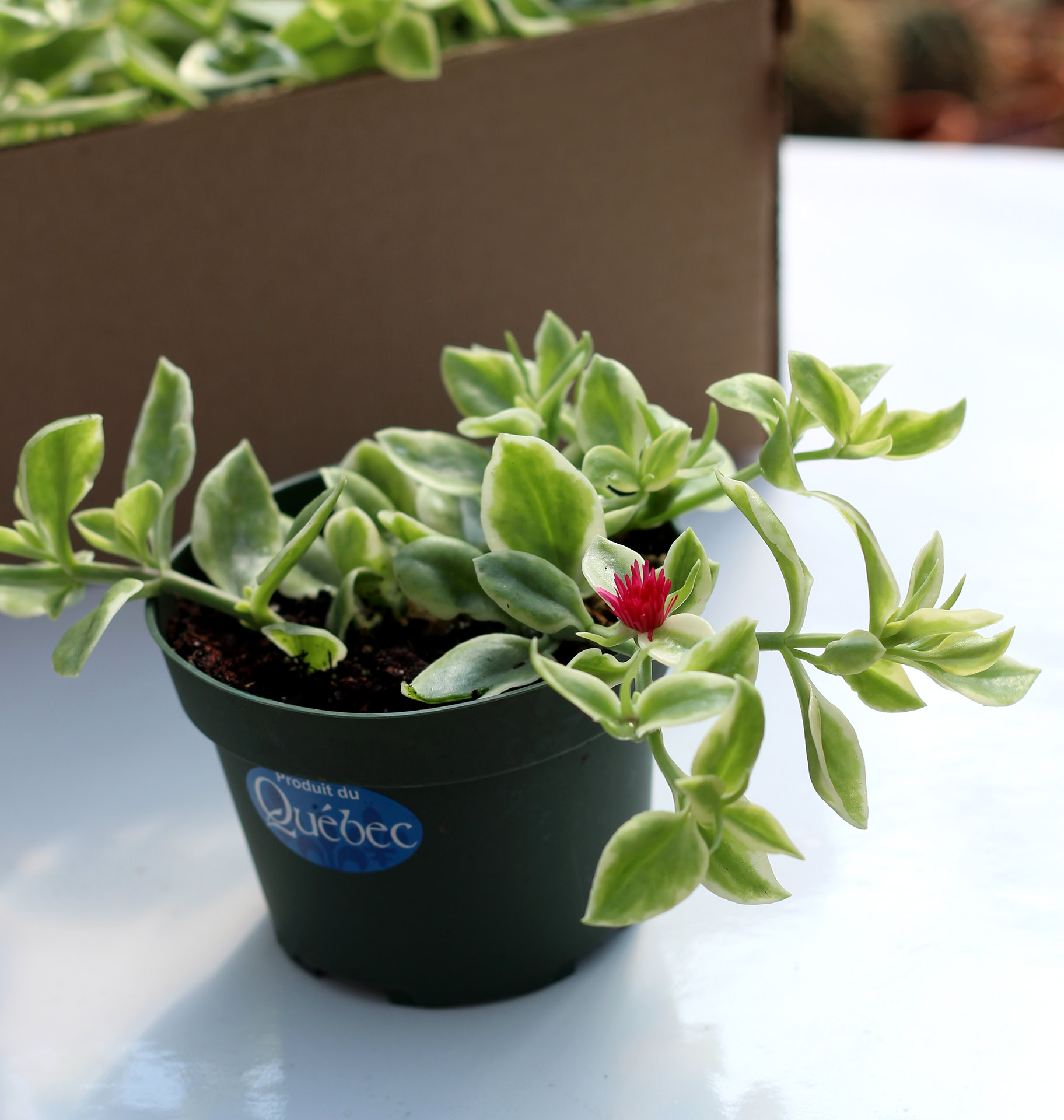
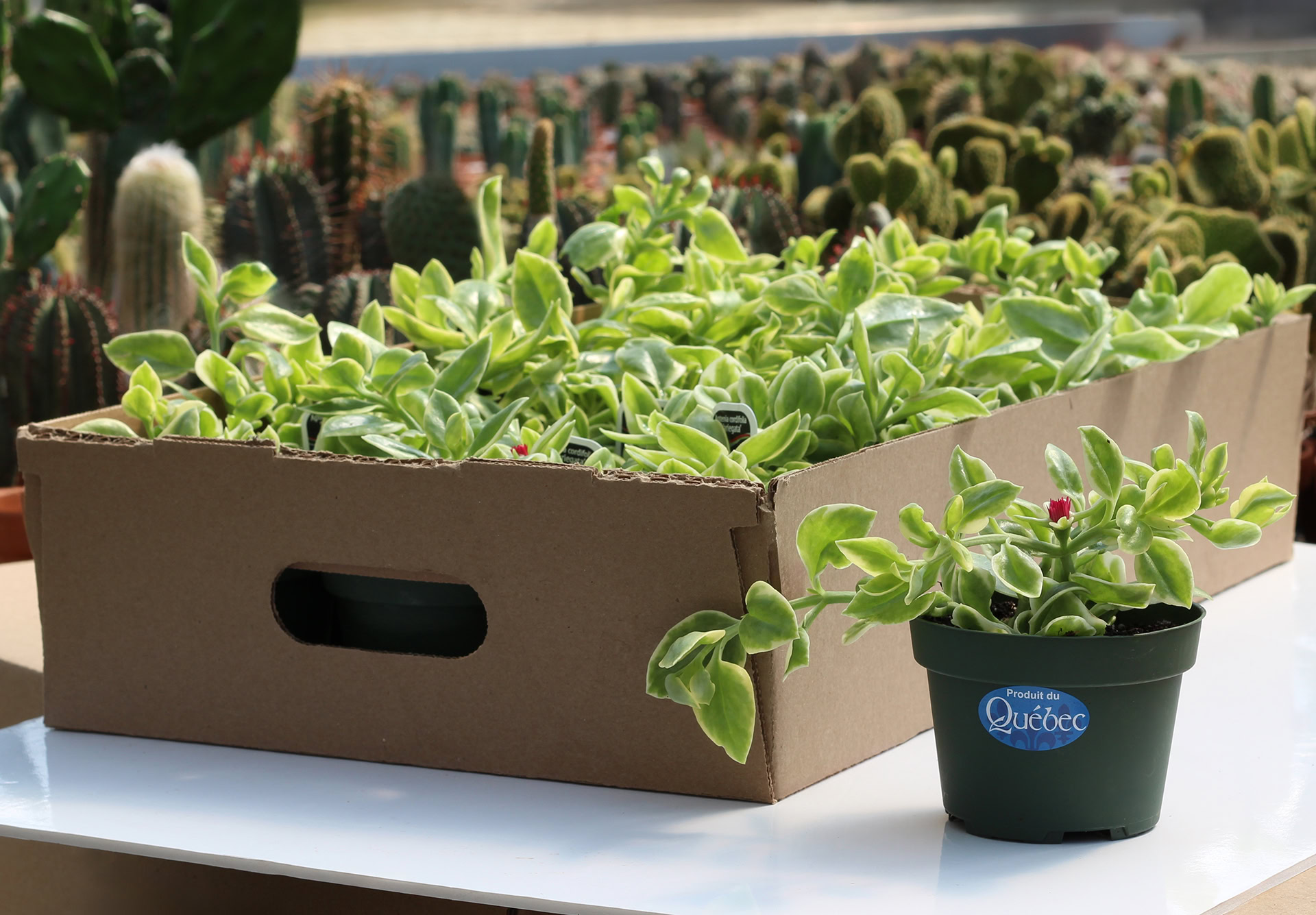
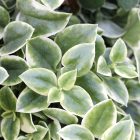
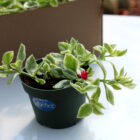
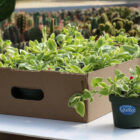
Aptenia cordifolia variegata, often called “Variegated Aptenia” or “Heartleaf Ice Plant,” is a creeping ornamental succulent native to South Africa. This variety stands out for its fleshy, heart-shaped leaves displaying a lovely variegated pattern that often mixes green, white, and pink tones.
Here are some care tips:
Light:
Aptenia cordifolia variegata prefers bright, direct light. It can tolerate full sun exposure, which helps enhance the colors of its variegated leaves. Indoors, place it near a sunny window or under a grow light to encourage healthy growth and vibrant coloration.
Watering
Water moderately, allowing the soil to dry out completely between waterings. In summer, water about once a week; in winter, reduce watering to once every two or three weeks. Ensure the pot or container has good drainage to prevent root rot.
Temperature and Humidity
Aptenia cordifolia variegata prefers moderate to warm temperatures, between 15 and 25°C (59–77°F). It can tolerate slightly lower temperatures but should not be exposed to anything below 5°C (41°F). This plant adapts well to dry environments and does not require high humidity, making it ideal for heated indoor spaces during winter.
Soil and Fertilization
Use a well-draining soil mix such as cactus or succulent soil, or enrich regular potting soil with perlite to improve drainage. Fertilize once a month during the growing season (spring and summer) with a balanced fertilizer diluted to half strength. In autumn and winter, reduce or stop fertilizing to allow the plant to rest.
Pruning and Propagation
Aptenia cordifolia variegata can be pruned to control its growth and maintain a compact shape. Pruning is best done in spring. For propagation, use stem or leaf cuttings. Let the cuttings dry for a few days before planting them in dry, well-draining soil until they develop roots.
Common Problems
Aptenia cordifolia variegata is generally pest-resistant but may occasionally be affected by mealybugs, aphids, or spider mites. Regularly inspect the plant and treat infestations with suitable insecticidal solutions or natural remedies such as neem oil. Leaves may become soft or start to rot if the plant receives too much water or if the soil is poorly drained. Adjust care according to the plant’s specific needs.